
Reviewed · WINE TOURS
Bordeaux: Wine Masterclass with Cheese and Charcuterie Board
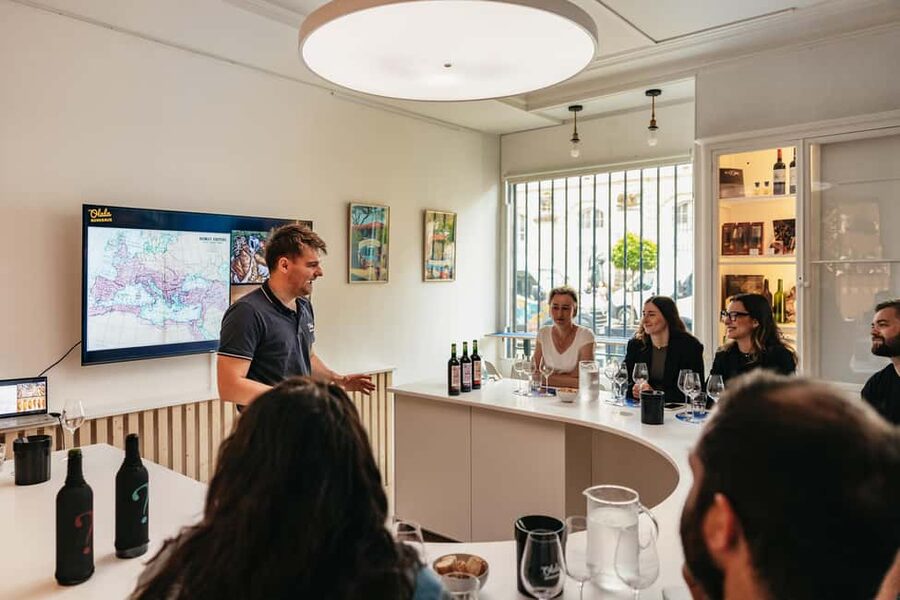
Bordeaux is easier to understand once you taste its wines side by side. This 90-minute class takes you from a white wine that wakes up your senses to five reds, including single-grape examples, left-bank and right-bank bottles, and one Grand Cru. I like the clear tasting method and the way the class links wine to local cheese and charcuterie. I also like the central setting, just two steps from the Grand Théâtre.
The main consideration is that this is a classroom tasting, not a château visit or vineyard tour. You will learn a lot about Bordeaux wine, but you will not walk through vines or see a cellar. The wines and order can change, too, though the overall quality and format remain the same.
Key points at a glance
- Six wines in 90 minutes: Taste one white and five red Bordeaux wines, with examples from different parts of the region.
- A practical tasting lesson: Learn how to judge color, aroma, taste, and finish using a method you can use in restaurants.
- Left bank versus right bank: Compare two classic Bordeaux styles, including one Grand Cru.
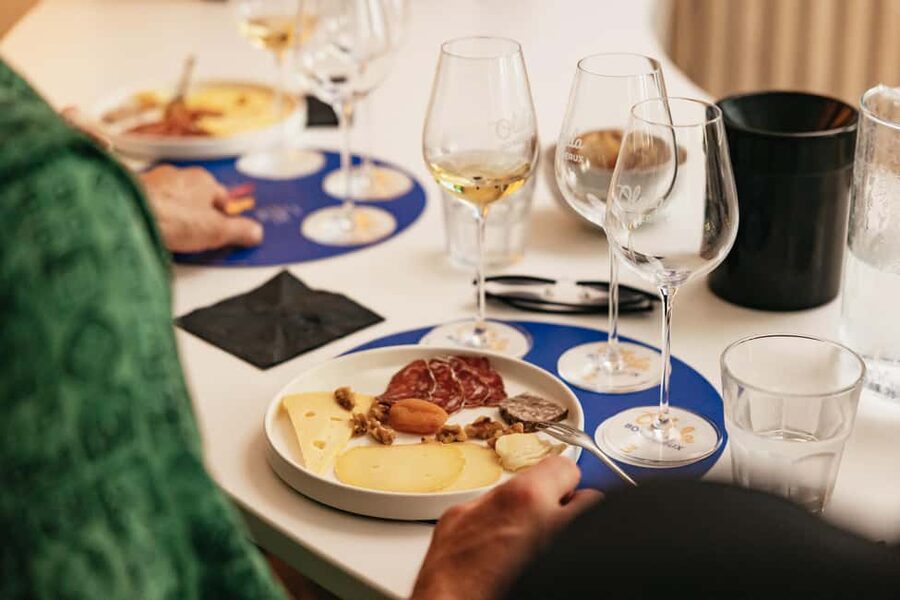
- Food is part of the lesson: Local cheese, charcuterie, baguette, and water accompany the tasting.
- City-center location: Meet at Olala Bordeaux, about five minutes from the Quinconces tram stop.
- Best for curious adults: The class suits beginners and intermediate wine drinkers, but children under 16 are not allowed.
Why this Bordeaux class is worth your time
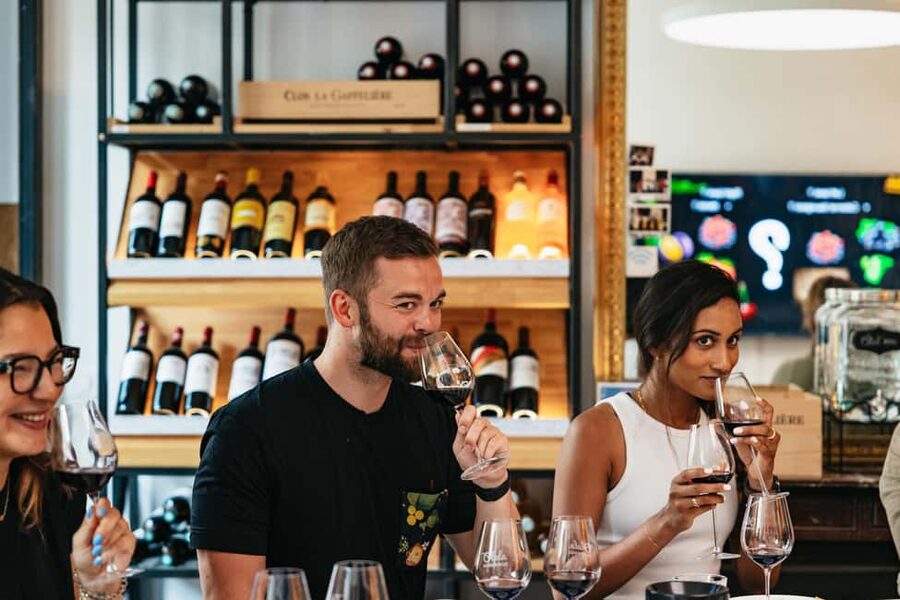
Bordeaux wine can seem full of rules, names, and unfamiliar labels. Terroir, appellation, classification, vinification, aging, and storage all matter here, but a good class should make those terms useful rather than bury you in them.
That is the strength of this experience. You do not simply taste six glasses and receive a list of bottle names. You work through the ideas that shape Bordeaux wine, then taste examples that show those ideas in the glass. The lesson gives you a framework for choosing wine later, either in a Bordeaux restaurant or at home.
I especially like the balance between information and pleasure. The guide explains the subject, but the class also gives you time to taste, ask questions, eat, and compare notes with the group. Instructors such as Enzo, Anna, Antoine, Anton, Hugo, Noe, Vincent, and Olivier have led sessions at different times, with a teaching style described as friendly, funny, patient, and engaging.
The small-class format matters. You are not sitting in a large room while someone races through a speech. You can focus on the glass in front of you and ask about a point that interests you. For a beginner, that makes the experience less intimidating. For someone who already knows wine, it leaves room for more detailed questions.
More wine tours in Bordeaux:
- Bordeaux: Cité du Vin Entry Ticket and Wine Tasting
★ 4.6 · 3,885 reviews - Bordeaux: River Garonne Cruise with Glass of Wine and Canelé
★ 4.5 · 3,630 reviews - From Bordeaux: Afternoon Saint-Emilion Wine Tasting & snack
★ 4.8 · 1,581 reviews
Starting with a white wine and the basics
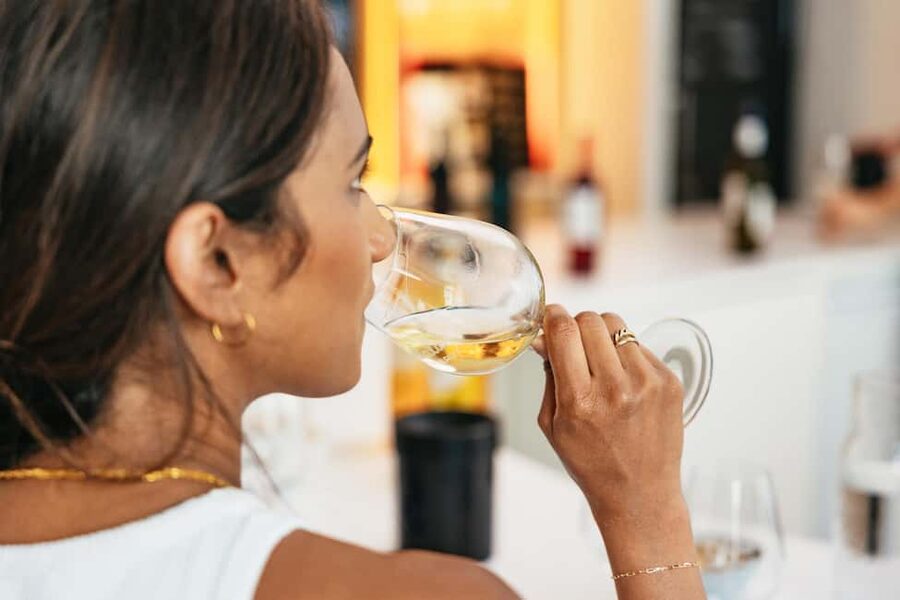
The class begins with a white wine. This first glass is less about Bordeaux trivia and more about training your senses. You learn how to look at the wine, smell it, taste it, and think about what you are noticing.
That order is useful. Many people taste wine by taking a sip and deciding only if they like it. The class gives you a more precise way to pay attention. Color can hint at age or style. Aroma can suggest fruit, flowers, spice, or other scents. Taste brings acidity, texture, fruit, tannin, and finish into the picture.
An aroma sample kit may be used in the session, giving you a way to connect familiar scents with what you find in the glass. This can be especially helpful if you feel unsure about wine vocabulary. You do not need an unusually sensitive nose. You simply need a willingness to smell, taste, and compare.
The first wine also sets a relaxed tone. You are not expected to arrive with technical knowledge. The class begins at the starting line and builds from there.
Three single-grape reds show how Bordeaux blends work
Next come three regional red wines made to show the character of individual grape varieties. Bordeaux is famous for blends, so tasting grapes separately gives you a useful reference point.
You learn to notice how the varieties differ in structure, fruit, aroma, and mouthfeel. You also learn why blending is common in Bordeaux. A finished wine can combine the strengths of several grapes, creating a more balanced result than any one component might offer alone.
This section is one of the most practical parts of the class. Once you understand the building blocks, a Bordeaux label becomes less mysterious. You may not be able to identify every grape after one session, but you will better understand what the winemaker is trying to achieve.
The guide also explains how the region produces its wines. That includes vinification, or the process of turning grapes into wine, followed by aging and storage. These topics help connect the tasting glass to the bottle. Wine is not only about the grape. Fermentation choices, time in storage, and the conditions around the wine all affect the final character.
The class does not promise instant expertise. It gives you a sensible base for future tastings, vineyard visits, and restaurant orders.
Left bank, right bank, and one Grand Cru
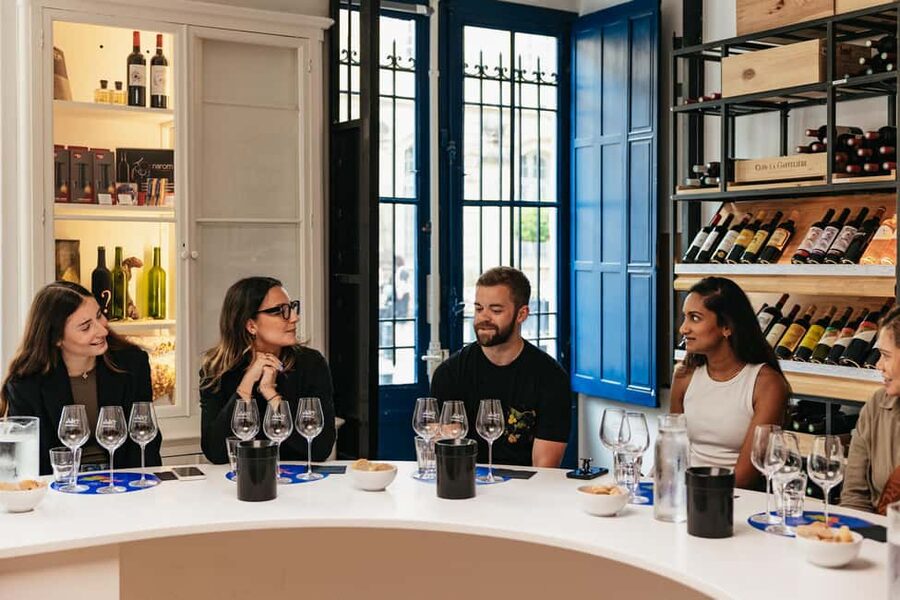
The final wines bring the Bordeaux lesson together. You taste one wine from the left bank and another from the right bank, with one of them being a Bordeaux Grand Cru.
This comparison is central to understanding the region. The two banks are not simply different points on a map. They are associated with different grape balances, soils, estates, and wine styles. Tasting the wines close together makes the contrast easier to grasp than reading about it on a chart.
The Grand Cru is likely to be the moment many people remember most, but the comparison is more valuable than the price or prestige of a single bottle. You can ask what makes the wine different, how its structure develops, and how the classification system fits into Bordeaux culture.
A blind tasting may also be part of the session. That adds a playful test to the lesson. You use what you have just learned about aroma and taste, then see how well your first impressions hold up. It is not an exam, and the point is not to guess perfectly. The exercise shows how easily expectation can influence your judgment.
I find this approach more useful than simply being told which bottle is the finest. It encourages you to form your own opinion before seeing the label.
Other cheese and charcuterie tastings around Bordeaux:
- Professional – Bordeaux Wine and Cheese Tasting with a walking tour
★ 5.0 · 218 reviews - Tasting of 6 Bordeaux wines and pairing charcuterie & cheese
★ 5.0 · 199 reviews - Introduction to Bordeaux wines paired with cheeses & charcuterie
★ 5.0 · 175 reviews - Bordeaux Wines Masterclass paired with cheeses & charcuterie
★ 5.0 · 110 reviews
Cheese, charcuterie, and the French side of tasting
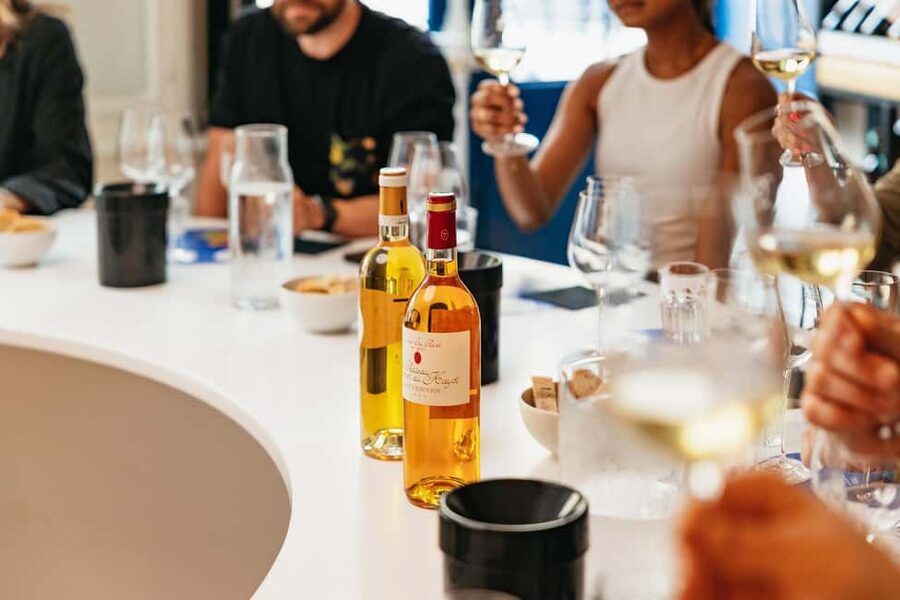
The food board includes local cheese and charcuterie, along with baguette and water. This is not just a snack placed beside the wine. It gives you a basic lesson in pairing.
Salt, fat, acidity, tannin, and texture can change how a wine tastes. A slice of cured meat may make a red seem softer. Cheese can bring out fruit or make a wine feel more balanced. Bread helps clear your palate between samples.
The board also turns the class into a small piece of Bordeaux culture. Wine is rarely treated as a stand-alone product in France. It is part of a meal, and the food pairing helps you understand the wine in that setting.
The amount of food is intended to accompany the tasting, not replace lunch. If you are hungry, plan another meal afterward. The class lasts only 90 minutes, so the board works best as a generous accompaniment rather than a full dining experience.
A comfortable central setting near the Grand Théâtre
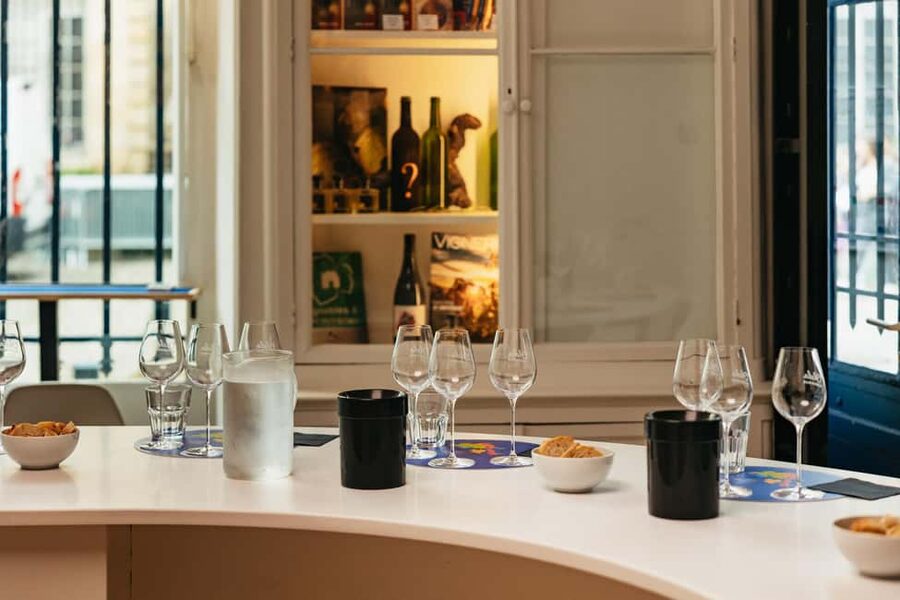
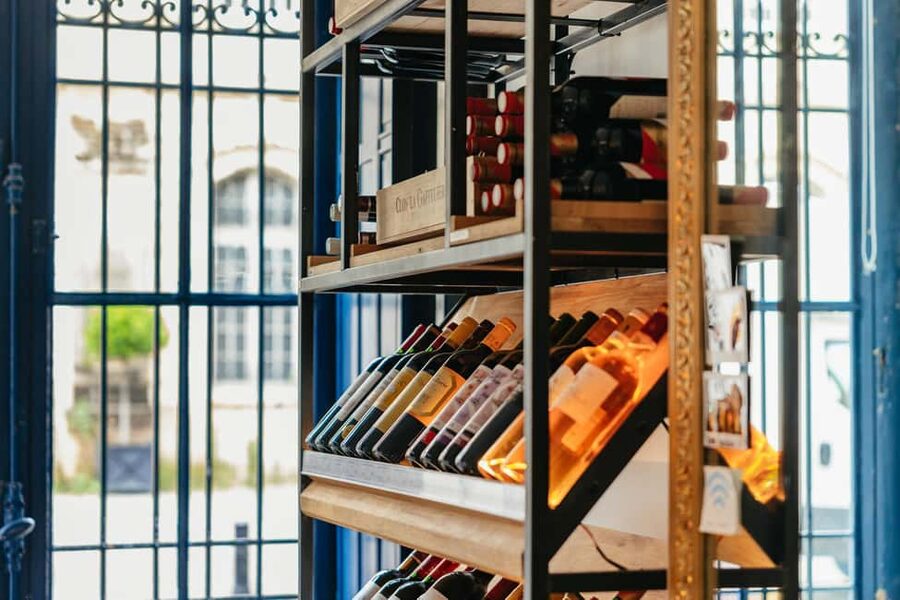
You meet at Olala Bordeaux, a wine shop and tasting space about five minutes on foot from the Quinconces tram stop. Tram lines B, C, and D serve Quinconces, making the location simple to reach from other parts of the city.
Being close to the Grand Théâtre gives the class a pleasant urban setting. You can fit it around sightseeing in central Bordeaux without spending half a day getting to a vineyard. That is a major advantage if your schedule is short or you are staying in the city center.
The space is arranged for tasting and instruction, with a setup that supports visual teaching and group discussion. It has been described as small and comfortable, which suits the subject. Wine lessons work better when you can hear the guide and see the bottle, glass, or teaching material clearly.
The tradeoff is that you will not get the countryside setting of a château. If your main goal is vineyard scenery, estate architecture, or a tour of production rooms, choose a separate vineyard excursion. This class is about understanding Bordeaux wine efficiently in the city.
What the 90-minute schedule feels like
Ninety minutes is long enough to cover real material without turning the session into an all-day commitment. The pace moves from basic tasting skills to grape varieties, winemaking, regional differences, and food pairing.
You should expect a guided session rather than a free-form bar tasting. The guide controls the order and explains each stage, but questions are part of the experience. The strongest sessions have included humor and an easy teaching style, which helps keep the technical material from becoming dry.
Because six wines are served, pacing matters. You are not expected to finish each glass. Taste slowly, compare the wines, and use the water and baguette between samples. If you plan to continue drinking elsewhere, remember that the class gives you a substantial tasting before the next stop.
The wines and schedule can vary. That is worth keeping in mind if you have your heart set on one particular bottle or grape. The fixed value is the structure: a white wine, three single-grape reds, and two final wines representing the left and right banks, with a Grand Cru included in the closing comparison.
The price and what you receive for $53
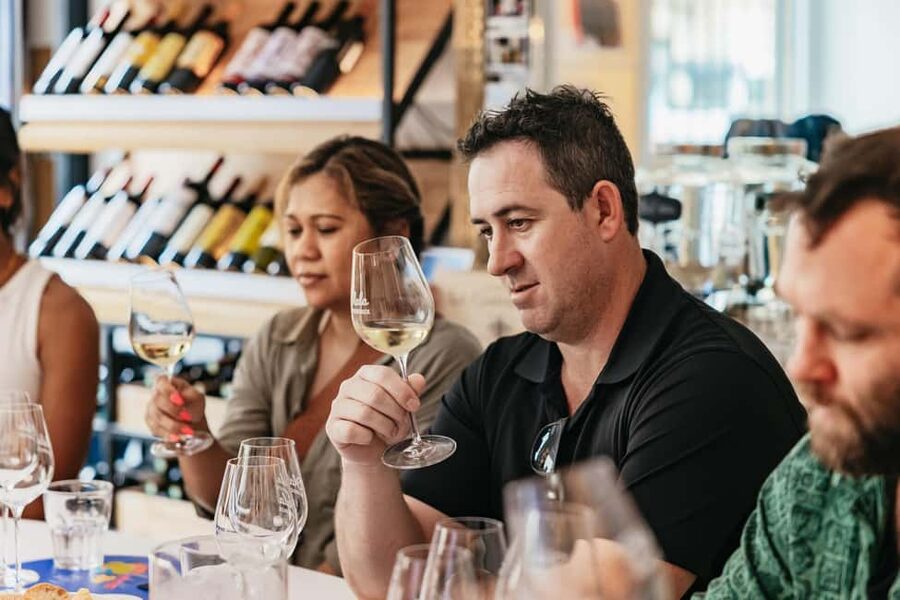
At $53 per person, the value is strong if you want both instruction and a broad tasting. You receive six wines, a cheese and charcuterie board, baguette, water, printed information, and a 90-minute session with an English or French-speaking guide.
Buying six comparable glasses separately in a central Bordeaux wine bar could quickly cost a similar amount, and that would not necessarily include the teaching. Here, the price pays for the selection, the comparison, and the guide’s ability to connect the wines.
The value is also practical. You leave with a better sense of how to taste, how Bordeaux regions differ, and how food changes wine. That can make later wine purchases less random. Several sessions have also led participants to ask for restaurant suggestions or help choosing bottles at Olala Bordeaux, though buying wine afterward is not required.
I would not choose this activity only to drink as much as possible. The portions are part of a lesson, and the point is to taste with attention. If you want a long evening of casual drinking, a wine bar may suit you better. If you want to understand what you are drinking, $53 is fair.
Who should book it
This class is a good fit for a first-time Bordeaux visitor who wants context before visiting Saint-Émilion or another wine area. It is also useful if you have already booked a vineyard tour but want a basic grounding first.
Beginners should feel comfortable here. The class explains the tasting process step by step and does not require you to know French wine terms in advance. People with some experience can still benefit from the bank comparison, blend discussion, and Grand Cru tasting.
I would also recommend it for solo visitors and couples who enjoy meeting other wine-minded people in a small setting. The format encourages conversation without requiring a full-day commitment.
It is not suitable for children under 16, and unaccompanied minors are not allowed. Pets are not permitted either. Families should plan another Bordeaux activity for younger children.
Book with the understanding that guides may change. Enzo, Anna, Hugo, Vincent, Noe, Antoine, Anton, and Olivier have all been associated with sessions at different times, and each guide may have a slightly different personality. The common thread is a friendly, expert-led lesson in English or French.
A few useful tips before you go
Arrive ready to smell as well as taste. The class is not only about identifying whether a wine is pleasant. You will get more from it if you pause over each glass and notice how it changes with food.
Do not worry about using perfect wine language. Describe what you sense in ordinary words. A good guide can help translate your impression into wine vocabulary.
Use the class as preparation for the rest of your Bordeaux visit. Keep the printed material, note which styles you prefer, and use the left-bank and right-bank comparison when you see bottles on restaurant lists.
If you want full vineyard scenery, add a separate trip to a wine area such as Saint-Émilion. This city class and a countryside tour serve different purposes. One teaches you how Bordeaux wine works; the other gives you the setting and production experience.
Cancellation is flexible up to 24 hours before the activity for a full refund, and you can reserve now and pay later. Check the available start times when booking, since the 90-minute session is offered at set times.
Should you book this Bordeaux wine class?
I would book it if you want an efficient, friendly introduction to Bordeaux wine without leaving the city. The strongest reasons are the six-wine progression, the left-bank and right-bank comparison, the practical tasting method, and the food board that makes the lesson feel connected to French dining.
Skip it if your priority is walking through vineyards, touring a château, or spending a full day among wine estates. This is a city wine school, not a countryside excursion.
For most adults who enjoy wine and want more than a quick sip at a bar, the class offers solid value. It gives you enough structure to make your next bottle, restaurant order, or vineyard visit more rewarding.
FAQ
Where does the Bordeaux wine masterclass meet?
The meeting point is Olala Bordeaux, about a five-minute walk from the Quinconces tram stop.
How long does the experience last?
The class lasts 90 minutes.
How many wines are included?
You taste one white wine and five red wines, for a total of six wines.
What food is served?
The experience includes a cheese and charcuterie board, baguette, and water.
Does the class include a Bordeaux Grand Cru?
Yes. The final tasting includes two fine wines, one from the left bank and one from the right bank, with one of them being a Bordeaux Grand Cru.
What subjects are covered?
The class covers terroir, grape varieties, appellations, classification, winemaking, aging, storage, wine service, tasting technique, and food pairing.
Is the class available in English?
Yes. The instructor teaches in English or French.
Are children allowed to attend?
Children under 16 are not allowed, and unaccompanied minors cannot attend.
Can I cancel the booking?
You can cancel up to 24 hours in advance for a full refund. You can also reserve now and pay later.
Just added in Bordeaux
- Au Cœur du Château – VSOP D’USSÉ & XO BARON OTARD★ 4.5 · 108 reviews
- Discover Braastad Cognac★ 5.0 · 52 reviews
- retro road trip/ Méhari, 2CV & Burton in Rochefort, La Rochelle★ 5.0 · 28 reviews
- Saint Emilion Full Day Wine and Bike Tour★ 5.0 · 167 reviews
- Virtual Room Bordeaux – 1st team virtual reality experience★ 5.0 · 47 reviews
- Private Bordeaux History Tour with a glass of Bordeaux wine.★ 5.0 · 28 reviews
- Wine Masterclass & Cheese Tasting Workshop in Bordeaux★ 5.0 · 29 reviews
- Bordeaux bike tour “The Best of Bordeaux”★ 5.0 · 164 reviews
Wine Tours, compared.
Authentic Parisian Gourmet Food Tour with 10 Local Dishes & Wines
Read our review →
Loire Valley Castles Day Trip from Paris with Complementary Wine
Read our review →
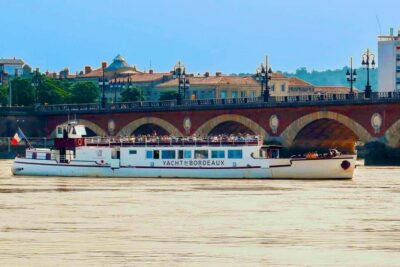
River Garonne Cruise with Glass of Wine and Canelé
Read our review →
Montmartre Hill French Gourmet Food and Wine Tasting Walking Tour
Read our review →
Montmartre Cheese, Wine & Pastry Guided Walking Tour
Read our review →
Loire Valley Castles Day Trip With Wine Tasting
Read our review →
Afternoon Saint-Emilion Wine Tasting & snack
Read our review →Browse the lists this tour appears in