
Reviewed · PASTRY & CHOCOLATE WORKSHOPS
Visit of Choco-story COLMAR, the Chocolate Museum.
Choco-Story Colmar turns chocolate into a lively trip through time, beginning with a cocoa bean in a forest and ending with modern production. You move through animated scenes, films, 3D projections, games, and tastings rather than simply reading display panels.
I like the Aztec origin story, where the god Quetzalcoatl is linked to cocoa, and the hands-on games, which give children and adults something to do as they learn. The chocolate sculptures, including a 250-kilogram Statue of Liberty, add a bit of spectacle.
The main drawback is pace. The visit takes about 90 minutes, but the self-guided format means the experience may feel less personal than a tour with a live guide. The audioguide language information is also inconsistent, with four languages mentioned in one description and six listed as included, so confirm your preferred language when booking.
Key things to know before visiting
- A forest begins the story: Animated panels introduce the cocoa tree and show a young monkey tasting cocoa beans.
- Aztec mythology gives cocoa a human story: A temple scene presents Quetzalcoatl, the feathered serpent god associated with bringing cocoa to Earth.
- A moving Spanish ship adds atmosphere: Creaking floors, swinging hurricane lamps, and shipboard scenes mark cocoa’s arrival in Europe.
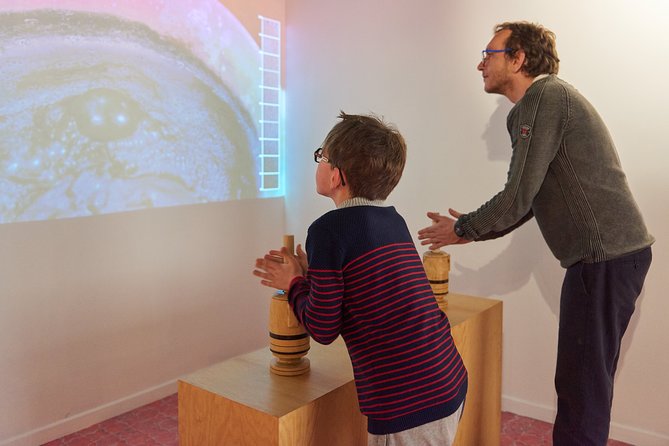
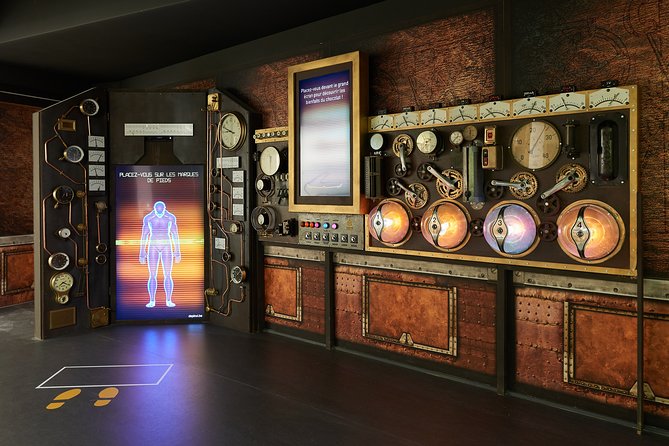
- You can take part, not just look: Interactive games, a choco scanner, films, and 3D projections break up the historical displays.
- Chocolate becomes theater upstairs: A cabaret-style show features a 250-kilogram Statue of Liberty and other chocolate sculptures.
- The tasting is included: Hot chocolate is not part of the admission price, so budget extra if that is part of your plan.
From tropical forest to Aztec temple
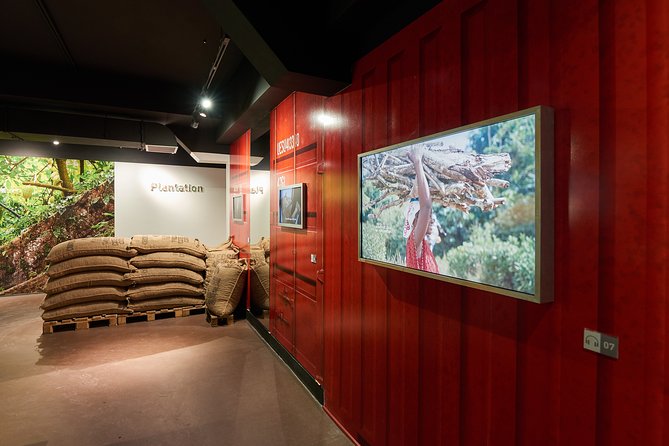
The visit starts far from the tidy chocolate shops of Colmar. The first setting is a virgin forest, where an animated panel follows a small monkey tasting cocoa beans. It is a simple way to explain that chocolate begins with a fruit and a seed, not with a wrapped bar.
This opening should work well for children because it gives the cocoa tree a clear place in the story. Adults get a useful reminder too: chocolate has a long journey before sugar, roasting, grinding, and European recipes enter the picture.
The next scene moves into Aztec culture. An animated temple introduces Quetzalcoatl, the feathered serpent god who, according to legend, brought cocoa to Earth. That myth gives the ingredient more meaning than a basic explanation of farming or trade would provide.
I like this choice of starting point. You first encounter cocoa as a plant with cultural and religious importance, then follow its movement across the world. The displays do not treat chocolate as only a modern snack.
The format is designed for movement and discovery. Films, projections, and interactive pieces help keep the first part from feeling like a traditional museum lecture. Still, you should expect a staged attraction rather than a quiet collection of historic objects. If you prefer original artifacts and long written explanations, this may feel light.
Other pastry and chocolate sessions around Colmar:
- Colmar : 45-minute Chocolate Making Workshop at Choco-Story
★ 4.6 · 120 reviews - Colmar: Chocolate creation workshop at Choco-Story
★ 4.5 · 39 reviews - Paris: Montmartre Cheese, Wine & Pastry Guided Walking Tour
★ 4.8 · 2,255 reviews
Sailing toward European courts
The journey then shifts to the 16th century and a Spanish ship. The setting uses small physical effects to create a sense of motion: the floor creaks, hurricane lamps move, and windows show a blue sea.
These details are playful, but they serve a useful purpose. They help you picture cocoa crossing the Atlantic instead of treating its arrival in Europe as a dry date in a timeline. The ship scene gives the story a clear turning point.
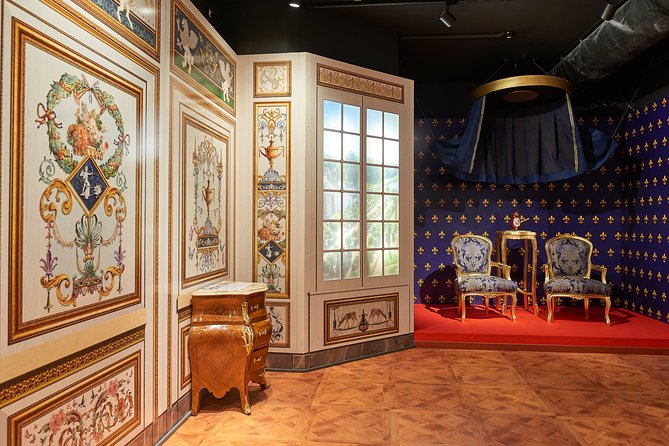
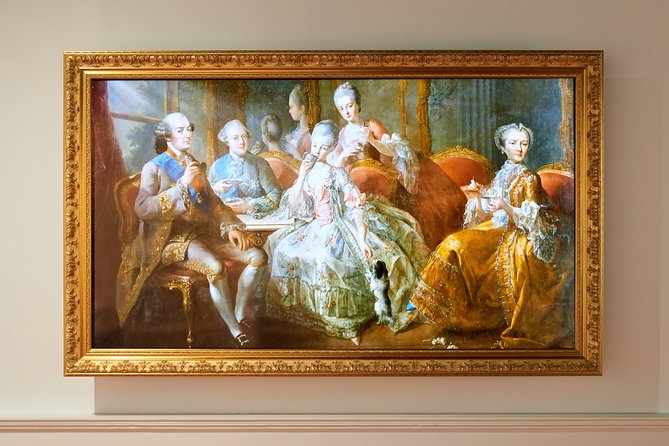
From there, chocolate enters European courts. You can sit for a photograph in royal armchairs, which is a small but memorable change from simply listening to an audioguide. It also gives families a natural pause before the visit moves into more technical material.
The royal setting makes an important point about chocolate’s early status. It was not always an everyday treat. Its place in court culture helped establish it as a product linked with wealth, fashion, and ceremony.
You will not need to follow a live guide from one room to the next. The audioguide lets you move at your own speed, and the visit ends back at the meeting point at 12 Place de la Cathédrale. That independence is useful if you want to pause for pictures or repeat an interactive activity.
Interactive displays that keep the visit moving
The choco scanner is one of the more unusual features. It follows the movements of your body and presents claims about the benefits of the cocoa tree’s fruit. This is less about detailed medical instruction and more about getting you to take part in the presentation.
The museum also uses spontaneous games during the route. These are especially helpful for families, since a child who is not interested in a long explanation can still take part in a challenge or activity. Adults may enjoy the same change of pace, particularly after several historical scenes.
The interactive design is one of the strongest reasons to choose this museum over a standard display about confectionery. You are not only looking at labels. You have films to watch, projections to follow, and physical actions to perform.
At the same time, the technology is the main attraction in several sections. If your goal is to learn precise details about cocoa-growing regions, production methods, or the economics of chocolate, you may want to treat this as an introduction rather than a specialist museum.
The audioguide is included. The information provided lists six languages, while the main description refers to four, so check the available choices before you arrive. That small detail matters if you do not speak French.
Industrial chocolate on the second floor
The second floor changes the subject from origins and royal culture to industrialization. This is where cocoa becomes part of a larger manufacturing story, with machines, production, and modern chocolate-making taking center stage.
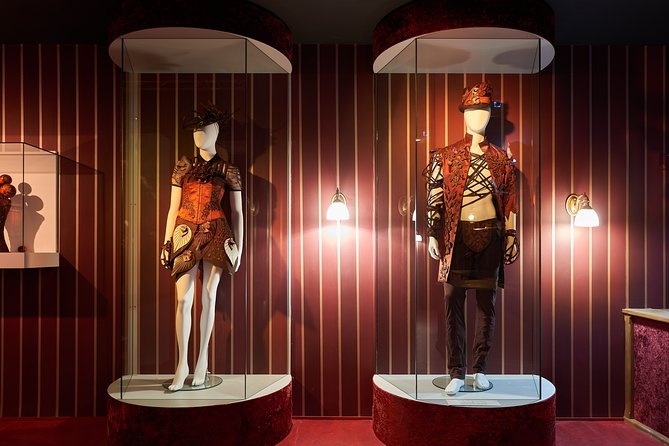
The cabaret show provides the biggest visual flourish. A 250-kilogram Statue of Liberty made from chocolate lights up the presentation alongside other chocolate sculptures. It is deliberately theatrical, and it gives you one of the clearest photo moments in the museum.
The sculpture display also shows the limits of the experience. The point is not to study every production step in a factory or inspect the chemistry of tempering in great detail. The attraction uses large visual ideas to make chocolate memorable.
I would give this section time even if you are more interested in history than novelty. Industrialization explains how chocolate moved from a courtly product to something available to ordinary households. The large sculptures make that change easy to grasp, even if they are more entertaining than academic.
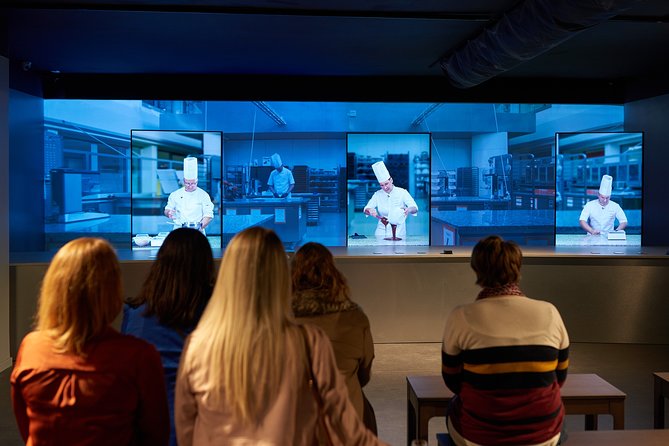
On a giant screen, three master chocolatiers present recipes. This adds a practical angle to the visit. Instead of finishing with a date or a machine, you see skilled makers turn chocolate into finished dishes.
The recipe films may be one of the most useful parts for adults who enjoy food. They also give the second floor a human focus after the larger spectacle of the cabaret show.
More museums in Colmar:
- Paris: Louvre Museum Timed-Entrance Ticket
★ 4.6 · 71,977 reviews - Louvre Museum Masterpieces Guided Tour with Access
★ 4.5 · 12,023 reviews - Paris: Louvre Museum Entry Ticket With Host and River Cruise
★ 4.6 · 9,926 reviews - Les Invalides: Napoleon’s Tomb & Army Museum Entry
★ 4.6 · 9,185 reviews
Tasting chocolate without rushing the route
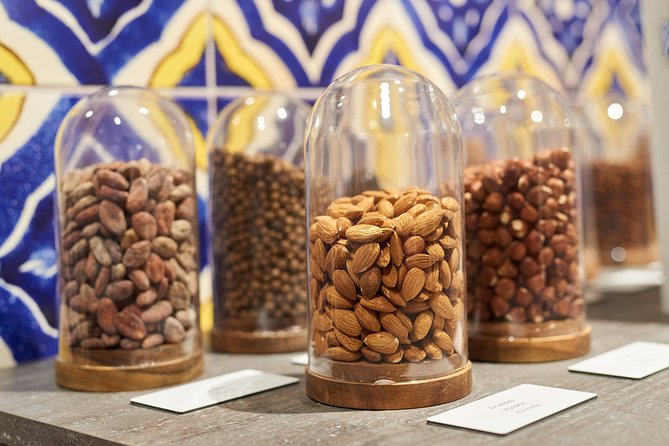
Chocolate tasting is included, and it gives the visit a clear reward near the end. The samples help connect the displays with your own senses. You can taste the product after hearing how cocoa developed, traveled, and changed.
The tasting is not the same as a full chocolate-making workshop. No hands-on confectionery class or named chocolatier-led demonstration is described. You should book this experience for its history, visual effects, games, and tasting together, not for a long technical lesson in making bonbons.
Hot chocolate costs extra. That is easy to overlook, since the activity already includes chocolate to taste. If you want a warm drink, plan to pay separately rather than assuming it is part of the admission.
The tasting works well for a short museum visit because it gives you something concrete at the end. It is also one reason the experience suits a mixed-age group. Children get a treat, while adults get a final reminder of how the raw cocoa story connects with the finished food.
Is the $18.02 price good value?
At about $18.02 per person, this is not the cheapest quick attraction in Colmar. The value depends on how much you enjoy presentation and participation.
For roughly 90 minutes, you receive an audioguide, interactive displays, films, 3D projections, games, chocolate sculptures, recipe presentations, and a tasting. That is a fair package if you want a structured indoor activity with plenty to see and do.
The price is easier to justify for a family than for someone seeking a quiet, object-heavy museum. Children have games and movement to hold their attention, and the royal chairs, ship scene, scanner, and sculptures add variety. Adults who love chocolate will probably appreciate the broad story from cocoa origins to industrial production.
The value is less convincing if you expect a private guide, extensive tastings, or a workshop. This is a self-guided attraction, and the tasting is included but not described as a large sampling session. Hot chocolate also costs extra.
Because the visit is booked around nine days ahead on average, planning ahead is sensible during a busy Colmar break. The maximum group size is 200, so the overall attraction can accommodate a large crowd. That may help with availability, but it also means the atmosphere may not feel intimate.
Who will enjoy Choco-Story Colmar?
I would recommend this experience to families, casual chocolate fans, and anyone wanting a break from outdoor sightseeing. The interactive elements make it suitable for most people, and the route does not depend only on reading long explanations.
It also suits visitors who like to learn through stories. The sequence is clear: cocoa begins in a forest, takes on religious meaning in Aztec culture, crosses the ocean on a Spanish ship, reaches European courts, and later becomes an industrial product.
You may enjoy it less if you want a serious study of chocolate production. The attraction uses theater, animation, and humor, so it favors accessibility over specialist depth.
The 90-minute length is another advantage. It is long enough to feel worthwhile but short enough to fit around other Colmar plans. Since it starts and ends at 12 Place de la Cathédrale, it is easy to combine with time in the historic center and nearby sights.
Practical details that affect your visit
The meeting point is 12 Place de la Cathédrale, 68000 Colmar, France. The activity ends at the same location, so you do not need to arrange a separate return transfer.
The site is near public transportation, and most people can participate. Confirmation is received at booking. Since the experience cannot be refunded or changed after purchase, choose your date carefully before paying.
Allow about an hour and a half, though your exact pace may vary. The self-guided format lets you spend more time with the interactive games, photographs, or chocolate displays that interest you most.
The audio guide is included, but language details should be checked because the supplied information gives two different counts. That is the one practical point I would clarify in advance, especially if you need a language other than French.
Should you book this chocolate museum?
Book Choco-Story Colmar if you want a lively, family-friendly look at cocoa, with theatrical settings, interactive games, a tasting, and memorable chocolate sculptures. The Aztec temple, moving Spanish ship, royal chairs, choco scanner, and giant Statue of Liberty give the visit more variety than a standard museum display.
Skip it if you are looking for a live, expert-led tour or a detailed chocolate-making class. At $18.02, the experience offers good value for a polished 90-minute attraction, but the price makes the most sense when you will use the interactive features and tasting, not simply walk through quickly.
FAQ
Where does the Choco-Story Colmar experience start?
It starts at 12 Place de la Cathédrale, 68000 Colmar, France.
Where does the activity end?
The activity ends back at the meeting point.
How long does the visit take?
The visit lasts approximately 1 hour and 30 minutes.
Is an audio guide included?
Yes. An audio guide is included. The supplied information lists six languages, while the main description mentions four, so confirm the available language options when booking.
Is chocolate tasting included?
Yes. Chocolate tasting is included in the experience.
Is hot chocolate included?
No. A hot chocolate drink is not included.
How many people can join the activity?
The activity has a maximum capacity of 200 people.
Just added in Colmar
- Alsace villages half day tour from Colmar★ 5.0 · 186 reviews
- Alsace’s Gems Small Group Day Tour from Colmar★ 5.0 · 84 reviews
- Self-Guided and Interactive City Tour – Colmar★ 4.5 · 45 reviews
- ICONICS Tour: 1/2 day on the Wine Route, visit of 2 Villages + Tasting.★ 5.0 · 159 reviews
- Segway Tours 2h in Colmar★ 5.0 · 116 reviews
- Christmas Market Tour from Colmar★ 4.5 · 64 reviews
- The Emblematic: visit of villages, Haut-Koenigsbourg, Wine tasting★ 5.0 · 81 reviews
- Through Alsace Vineyards and Wine Villages Private Bike Tour★ 5.0 · 47 reviews
Pastry & Chocolate Workshops, compared.
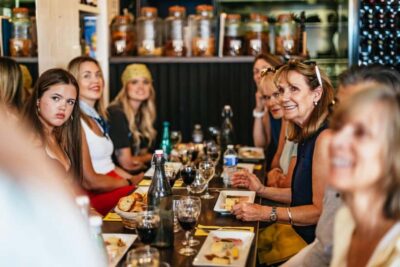
Montmartre Cheese, Wine & Pastry Guided Walking Tour
Read our review →
Award-Winning Paris French Bakery Experience — Le Marais, 4th Arr
Read our review →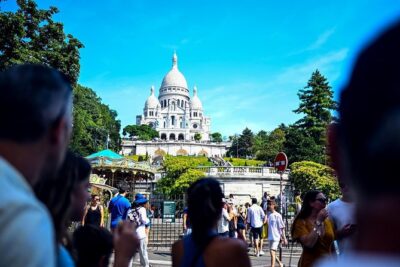
Private Montmartre Food Tour with Wine, Cheese & Pastries
Read our review →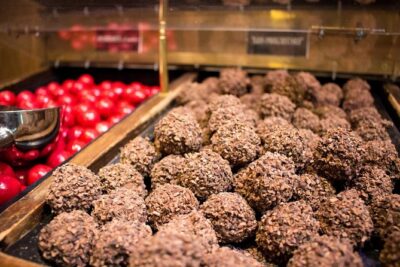
Paris French Sweets Tasting Tour with Pastries and Chocolates
Read our review →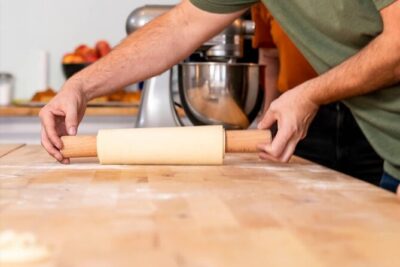
Paris Croissant Small-Group Baking Class with a Chef
Read our review →
Browse the lists this tour appears in