
Reviewed · WINE TOURS
Workshop Bordeaux wine tasting: 4 reds & charcuterie pairing
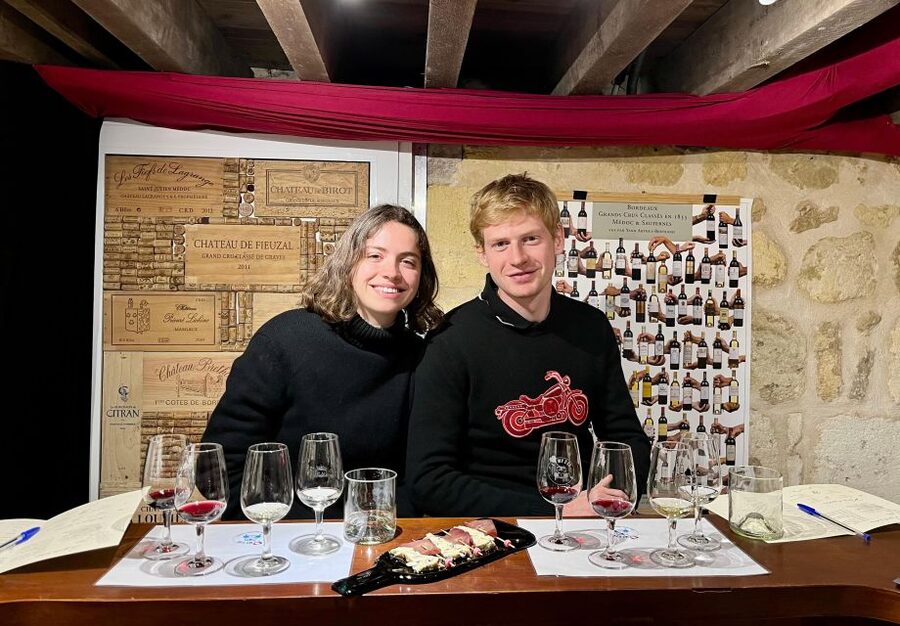
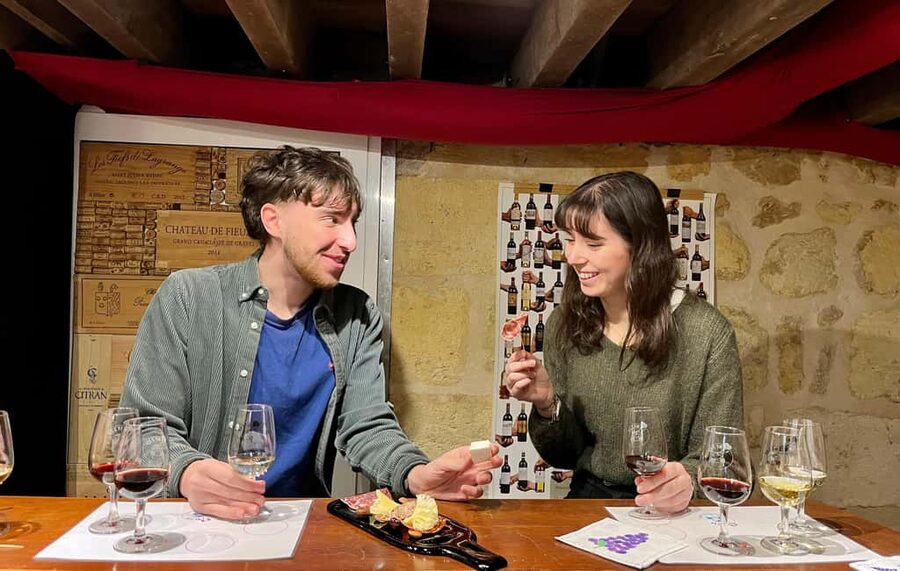
Bordeaux wine can feel like a code: Médoc, Saint-Émilion, blends, vintages, estates, and grape varieties all crowd the label. This compact class makes the subject manageable, using four red wines, a mystery glass, charcuterie, and an aroma game to show you what those words mean in the glass.
I especially like the small six-person limit, which keeps the class conversational rather than lecture-like. I also like the clear Left Bank and Right Bank comparison, plus the chance to taste both a younger style and a mature Bordeaux. The main consideration is the one-hour length: you’ll get a useful foundation, but not a full substitute for visiting Médoc or Saint-Émilion.
Key points at a glance
- Four Bordeaux reds plus a mystery glass: Compare grape varieties, blends, regions, and age in one focused sitting.
- Cécilia and Mathilde lead the class: Both are certified wine experts trained at the Université du Vin.
- Charcuterie has a teaching role: The food is matched to each wine so you can test how pairing changes flavor.
- The aroma game keeps beginners involved: You learn to describe wine without needing a polished wine vocabulary.
- A central Bordeaux meeting point: The room is 100 meters from the Stalingrad stop on tram A.
- A booklet goes home with you: You can use it to repeat the tasting method after the class.
Why this one-hour Bordeaux class works
The smart idea here is scale. Bordeaux is too broad to understand through a single prestigious bottle or a rushed tasting at a shop. In one hour, you get a guided comparison instead.
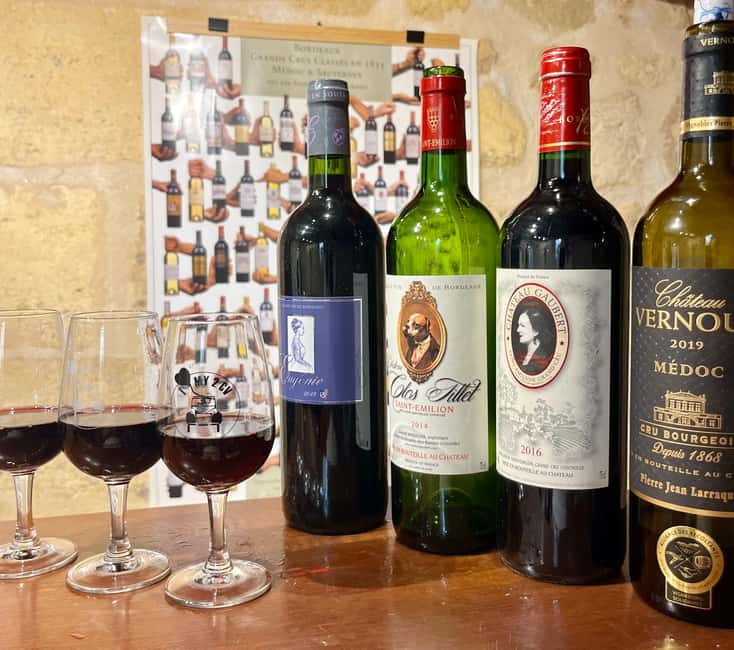
The wines are selected to show different sides of the region. You may taste a wine focused on Merlot, another built around Cabernet Sauvignon, a blend from an organic family estate, and a Grand Cru. A mature bottle adds another useful lesson: Bordeaux is not only about fruit and structure when young. Time can change its aroma, texture, and balance.
That range matters because Bordeaux wines are often blends, and the final taste depends on more than the grape written on a label. You’ll look at grape variety, soil and growing area, winemaking choices, and ageing. The goal is not to make you memorize every appellation. It is to help you notice why two red wines from the same broad region can taste so different.
The class is aimed at both first-time tasters and serious wine fans. If you are new to wine, the format gives you a safe way to ask basic questions. If you already know your way around a glass, the comparison between styles, blends, and an older wine gives the hour more substance than a simple sip-and-smile tasting.
More wine tours in Bordeaux:
- Bordeaux: Cité du Vin Entry Ticket and Wine Tasting
★ 4.6 · 3,885 reviews - Bordeaux: River Garonne Cruise with Glass of Wine and Canelé
★ 4.5 · 3,630 reviews - From Bordeaux: Afternoon Saint-Emilion Wine Tasting & snack
★ 4.8 · 1,581 reviews
Getting to 25 Avenue Thiers
The meeting point is at 25 Avenue Thiers in Bordeaux, only 100 meters from the Stalingrad stop on tram A. That makes it easy to fit into a city day without arranging a car or setting aside half a day for transport.
The tasting room is not plainly visible from the street. Look for the Guy Hoquet panel, then use the gray door beside it. The bell is marked I ♥️ TASTING. This is the sort of detail worth saving before you leave your hotel, since searching a side entrance while the clock runs down is not a good start to a short class.
There is no hotel pickup or drop-off. You make your own way to the venue, but the tram connection keeps the practical side simple. The setting changes with the season. You may sit in a stone-built tasting room, a private courtyard, or a cool underground cellar. The cellar, in particular, can add atmosphere without turning the class into a staged show.
The experience is not suitable for people with mobility impairments. The private courtyard and cellar setting may also mean that conditions vary from one session to another, so contact the provider in advance if access is a concern.
The opening lesson: tasting without feeling self-conscious
The class begins with the basics of tasting. That usually means looking at the wine, smelling it, taking a sip, and paying attention to its feel and finish. The important point is that you are given a method rather than told to trust vague impressions.
The aroma game is a useful part of this. You try to identify scents in the wine, which turns an intimidating skill into a shared exercise. You do not need to arrive with a trained nose. The point is to compare what you notice with the group and build a vocabulary as you go.
I like this approach for beginners because it removes some of the ceremony around wine. You are not being tested on whether you can name an exact fruit or vineyard. You are learning to notice patterns: fresh or mature aromas, firm or soft texture, lighter or fuller body, and a finish that fades quickly or stays with you.
The class is available in English, French, and Spanish. Cécilia and Mathilde are trained through the Université du Vin, and their role is not just to pour wine. They explain what you are tasting and connect each glass to a larger Bordeaux idea.
Four reds that explain Bordeaux
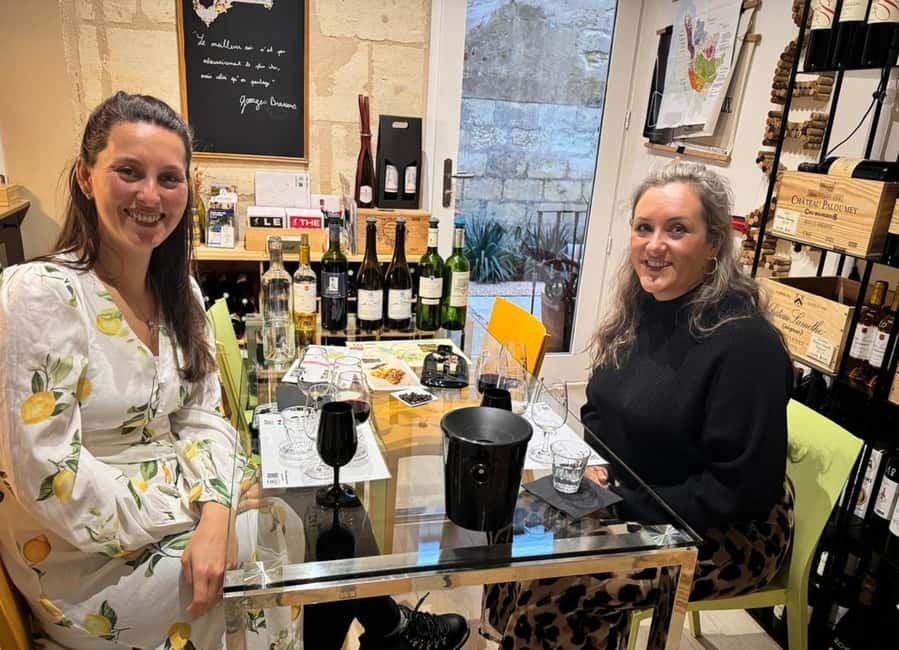
The central tasting uses four Bordeaux red wines. Each is chosen to represent a different point of comparison, so the order matters. You are not simply trying four unrelated bottles.
One lesson focuses on Merlot, the grape often linked with the Right Bank and known for a smoother, more fruit-forward style. Another highlights Cabernet Sauvignon, associated here with the structured, age-worthy wines of the Médoc and the Left Bank. These are broad tendencies, not rigid rules, but tasting them side by side helps you understand the language used on Bordeaux labels.
You also look at blends. Bordeaux is famous for combining grapes, and a blend can offer a different balance of fruit, structure, acidity, and tannin than a single-variety wine. The tasting explains how a producer’s choices affect the result, rather than treating the blend as a mysterious formula.
A wine from an organic family estate adds another angle. The focus is not simply on a certification or a marketing label. It gives you a chance to consider how the character of an estate and its winemaking choices appear in the glass.
A prestigious Grand Cru is included as well. This is useful because it places the more accessible wines in a broader context. You can think about what you are paying for, how structure develops, and how a famous classification relates to actual taste.
Other cheese and charcuterie tastings around Bordeaux:
- Professional – Bordeaux Wine and Cheese Tasting with a walking tour
★ 5.0 · 218 reviews - Tasting of 6 Bordeaux wines and pairing charcuterie & cheese
★ 5.0 · 199 reviews - Bordeaux: Wine Masterclass with Cheese and Charcuterie Board
★ 4.9 · 184 reviews - Introduction to Bordeaux wines paired with cheeses & charcuterie
★ 5.0 · 175 reviews
The mystery glass and the value of comparison
A mystery glass brings a little play into the lesson. You taste before being told exactly what is in front of you, then use the clues from aroma, body, fruit, structure, and finish to make sense of it.
That exercise is more useful than it may sound. Many people can repeat a wine description after hearing it, but tasting first and learning the answer later helps you form your own opinion. It also shows that professional tasting is not magic. It is a careful process of observation and comparison.
The included materials list four Bordeaux red wine glasses, while the teaching description also includes one mystery glass. The core promise is the four-wine tasting, with the mystery pour serving as an extra exercise rather than something to count on as a full additional bottle. If the exact sequence matters to you, ask the host when you arrive.
The strongest part of the class is the contrast between wines. One glass alone can be pleasant, but a sequence gives you a reference point. The Merlot seems softer beside Cabernet Sauvignon. A younger wine may feel more direct beside a mature one. A blend may seem more balanced once you understand the role of its component grapes.
Charcuterie that teaches pairing
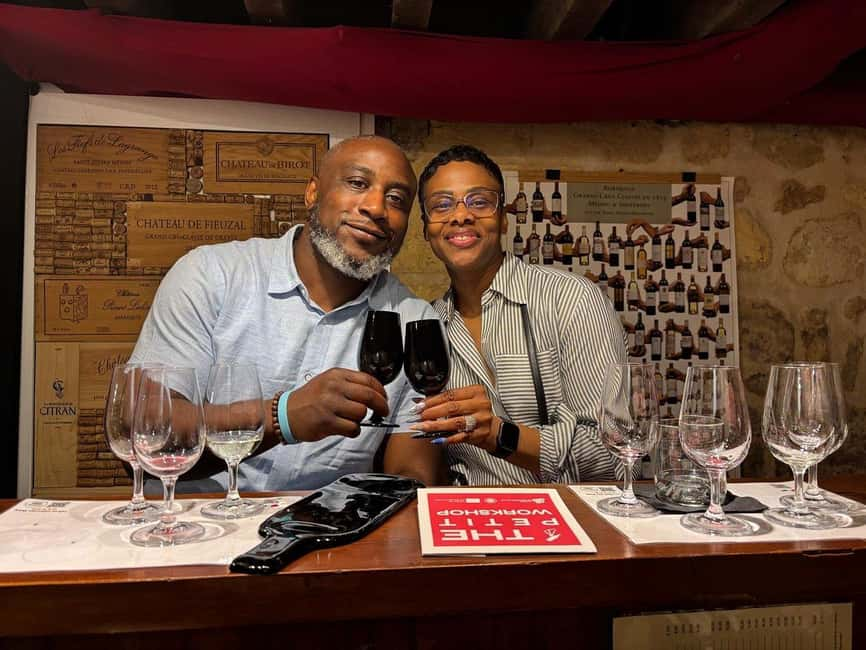
The charcuterie is not just a snack between pours. It is used to explain food and wine pairing.
You can test how salt, fat, texture, and seasoning change the way a wine feels. A red that seems firm on its own may work differently with food. A fruit-forward wine may become more rounded. This practical exercise is especially helpful if you want to use what you learn at dinner rather than simply remember a list of grape names.
The pairing also improves the value of the $46 price. You are receiving four wines, food, instruction, the aroma game, and a booklet, all in a central Bordeaux setting. The class is not the cheapest way to taste wine, but it offers more than four small pours. You are paying for explanation and comparison, which are hard to get from a self-guided bottle shop tasting.
The portion of charcuterie is not specified, so do not treat the class as lunch. Think of it as a food pairing designed to support the lesson. If you arrive hungry, plan another meal before or after.
Stone, cellar, or courtyard setting
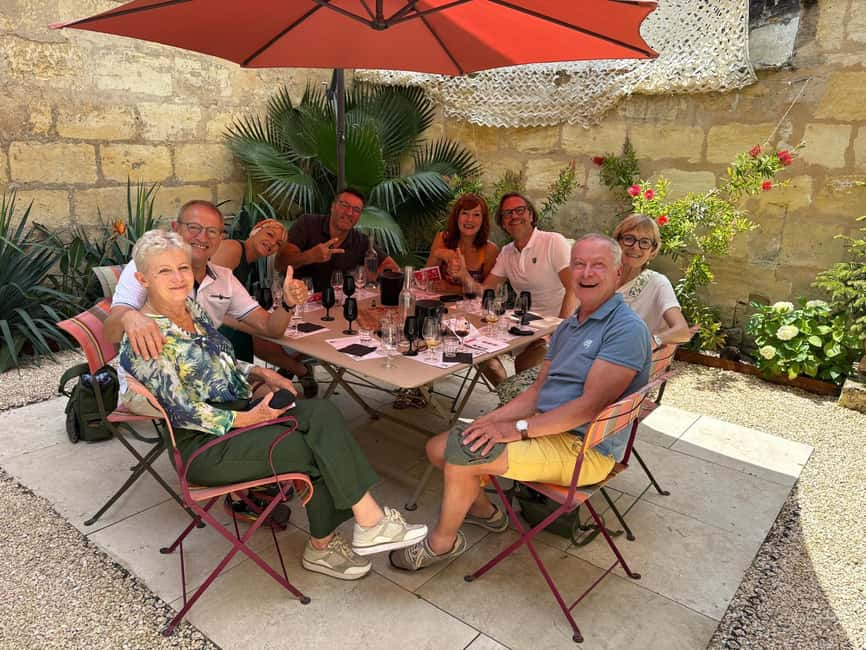
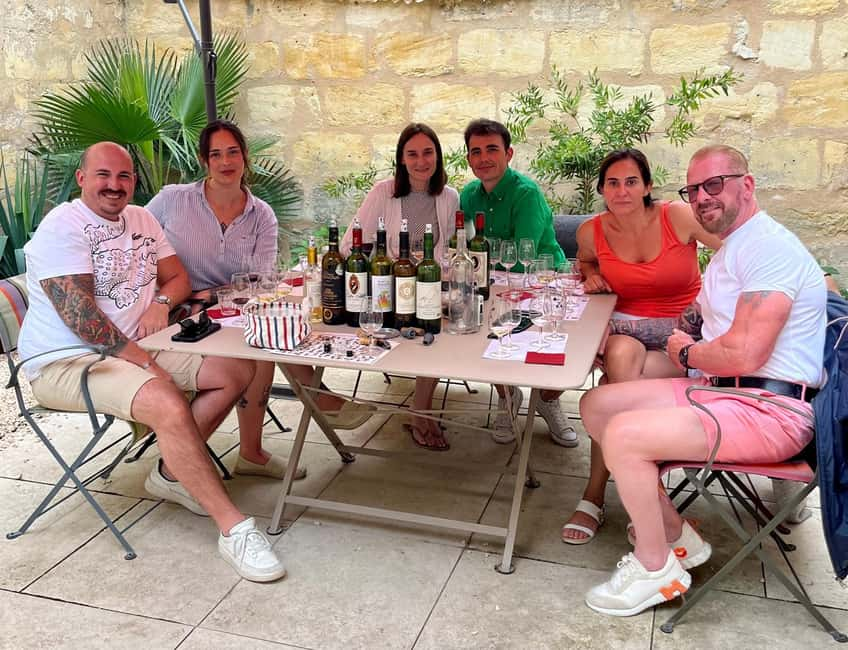
The venue can change with the season. A stone-built tasting room gives the experience a traditional feel, while the private courtyard offers a more open setting. The underground cellar provides the strongest wine atmosphere, with its cool, enclosed character.
The changing location is pleasant, but it also means you cannot book the class expecting one exact room. For some people, that is part of the charm. For others, a specific setting may matter, so ask ahead if you have a strong preference.
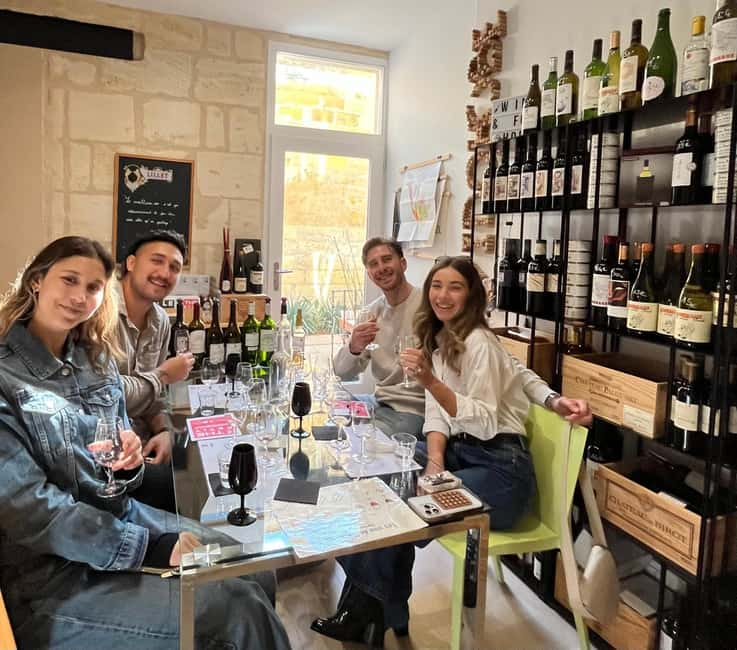
The intimate space suits the class. With no more than six participants, you can hear the guide, follow the aroma exercise, and ask questions without trying to speak over a large group. It also means the social tone may depend on the mix of people in your session. The class is designed for conversation, not a private tasting unless you arrange a larger or special booking.
For groups above six, contact the provider about the request. The stated format is small, and a larger party may need a different arrangement.
What the booklet adds after the tasting
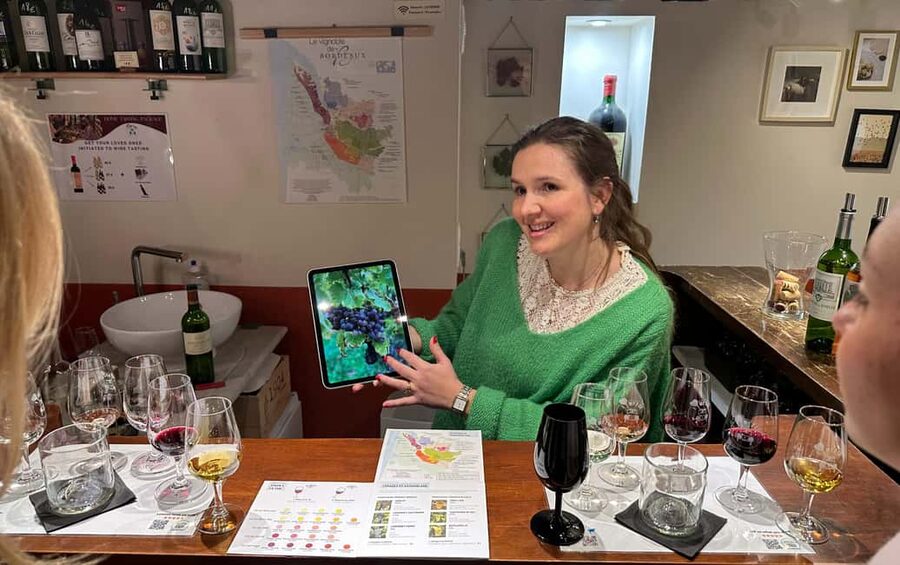
You receive a personal booklet on Bordeaux wines and the tasting method. This is a modest inclusion, but it makes the experience more useful after you leave.
You can use it to remember the order of tasting, note the differences between Left Bank and Right Bank styles, and repeat the aroma exercise with another bottle. It also gives you something more concrete than a one-hour memory, especially if you are planning to buy wine during the rest of your time in Bordeaux.
Wines tasted in the class are available for purchase on site. That is convenient if one bottle fits your taste, though you should not feel obliged to buy. The real value of the class is learning what you like and why. If you do purchase, the new information can help you choose a bottle for dinner or a gift with more confidence.
If someone in your party prefers white wine, tell the provider in advance. A white Bordeaux tasting can be arranged, which is a useful option for mixed groups. The standard experience described here is focused on red wines.
Price, timing, and who gets the most from it
At $46 per person, the class sits in a sensible middle range for a guided wine activity. The one-hour duration keeps the commitment low, and the central location makes it easy to add before dinner, after sightseeing, or between other Bordeaux plans.
I see the value most clearly if you are curious about wine but do not want a full-day vineyard excursion. You get direct teaching, four wines, charcuterie, a booklet, and a small group without spending half a day outside the city.
The price may feel less attractive if you already know Bordeaux well and mainly want to taste rare bottles. A single hour cannot cover the region’s full classification system, all its appellations, or detailed vineyard geology. It also does not include transport to Médoc or Saint-Émilion, so it cannot replace seeing those areas in person.
The class works best for:
- First-time wine tasters who want a friendly starting point
- Couples or friends looking for a compact Bordeaux activity
- Wine fans who want to compare Merlot, Cabernet Sauvignon, blends, and age
- People with a busy itinerary who cannot fit a full-day wine trip
- Mixed groups, if white wine arrangements are made in advance
The small group and relaxed teaching style also suit anyone who dislikes formal lectures. The class has been described as conversational, with scent games and practical advice rather than a long monologue. That tone is important. Wine education works better when you can say that you do not understand something and get a clear answer.
Booking details worth knowing
You can cancel up to 24 hours before the activity for a full refund. The reserve-now, pay-later option lets you hold a place without paying at the time of booking, which helps if your Bordeaux schedule is still shifting.
Starting times vary, so check availability for your date. The language options are English, French, and Spanish. The format is limited to six participants, and the provider asks you to make contact for requests involving more than six people.
I would save the address, tram stop, door description, and bell name before setting out. The entrance is behind a building and not simply a bright storefront. That small preparation matters more here than arriving very early, since the activity itself lasts only one hour.
Should you book this Bordeaux tasting?
Book it if you want a clear, friendly introduction to Bordeaux red wine without leaving the city. The strongest reasons are the six-person limit, the comparison between Left Bank and Right Bank styles, the aroma game, and the chance to see how charcuterie changes a wine.
Skip it if your priority is vineyard scenery, a long estate visit, or a full-day regional tour. This is a classroom-style tasting in an atmospheric room, courtyard, or cellar, not a trip through the Médoc or Saint-Émilion countryside.
For $46, I think it is a good choice for curious beginners and a useful refresher for wine fans. You leave with a better way to taste, a booklet to keep, and enough Bordeaux context to make your next bottle more than a guess.
FAQ
Where does the Bordeaux wine tasting take place?
It takes place at 25 Avenue Thiers, 33100 Bordeaux, about 100 meters from the Stalingrad stop on tram A. The entrance is behind a building, beside the Guy Hoquet panel, through the gray door with the I ♥️ TASTING bell.
How long does the activity last?
The wine tasting class lasts one hour. Starting times vary, so you need to check availability for your chosen date.
How many people are in the group?
The group is limited to six participants. You should contact the provider for requests involving more than six people.
Which languages are available?
The live guide can lead the activity in English, French, or Spanish.
What is included in the price?
The experience includes the wine tasting class, a personal tasting booklet, an aroma game, four Bordeaux red wine glasses, and charcuterie for the wine pairing. Hotel pickup and drop-off are not included.
Can someone who prefers white wine join?
Yes. A white Bordeaux tasting can be arranged for accompanying people who prefer white wines. You should let the provider know in advance.
More food and drink in Bordeaux
- Medoc or Saint Emilion Wine Tasting and Chateau from Bordeaux
★ 5.0 · 1,415 reviews - Saint-Émilion: Grand Cru Classé Winery Visit and Tasting
★ 4.6 · 1,118 reviews - Saint Emilion Half-Day Trip with Wine Tasting & Winery Visit from Bordeaux
★ 4.5 · 1,034 reviews - From Bordeaux: Half-Day Saint-Émilion Tour and Wine Tasting
★ 4.6 · 657 reviews
Just added in Bordeaux
- Au Cœur du Château – VSOP D’USSÉ & XO BARON OTARD★ 4.5 · 108 reviews
- Discover Braastad Cognac★ 5.0 · 52 reviews
- retro road trip/ Méhari, 2CV & Burton in Rochefort, La Rochelle★ 5.0 · 28 reviews
- Saint Emilion Full Day Wine and Bike Tour★ 5.0 · 167 reviews
- Virtual Room Bordeaux – 1st team virtual reality experience★ 5.0 · 47 reviews
- Private Bordeaux History Tour with a glass of Bordeaux wine.★ 5.0 · 28 reviews
- Luxurious full day Bordeaux wine tour in a Tesla★ 4.5 · 31 reviews
- Wine Masterclass & Cheese Tasting Workshop in Bordeaux★ 5.0 · 29 reviews
Wine Tours, compared.
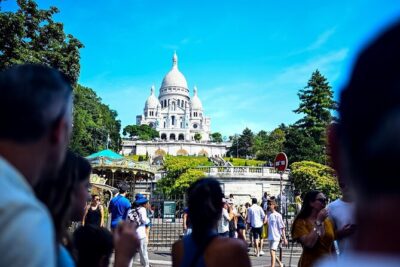
Authentic Parisian Gourmet Food Tour with 10 Local Dishes & Wines
Read our review →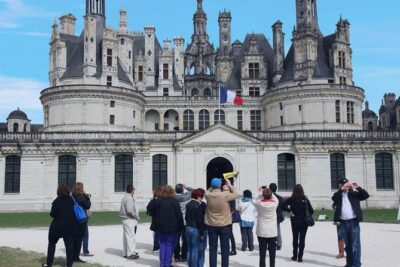
Loire Valley Castles Day Trip from Paris with Complementary Wine
Read our review →
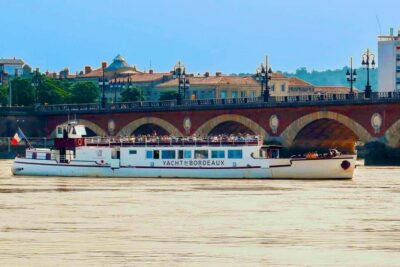
River Garonne Cruise with Glass of Wine and Canelé
Read our review →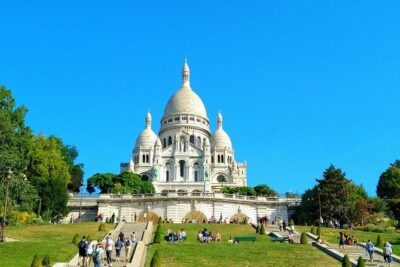
Montmartre Hill French Gourmet Food and Wine Tasting Walking Tour
Read our review →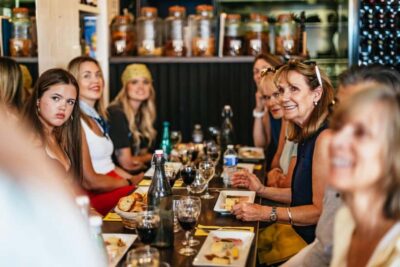
Montmartre Cheese, Wine & Pastry Guided Walking Tour
Read our review →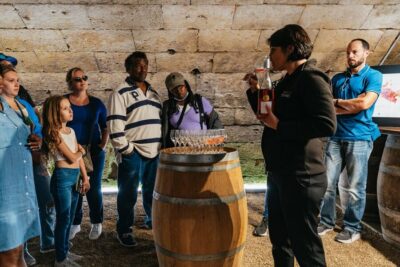
Loire Valley Castles Day Trip With Wine Tasting
Read our review →
Afternoon Saint-Emilion Wine Tasting & snack
Read our review →Browse the lists this tour appears in