
Reviewed · WINE TOURS
Historic Center of Dijon : Discovery Tasting Wine Burgundy
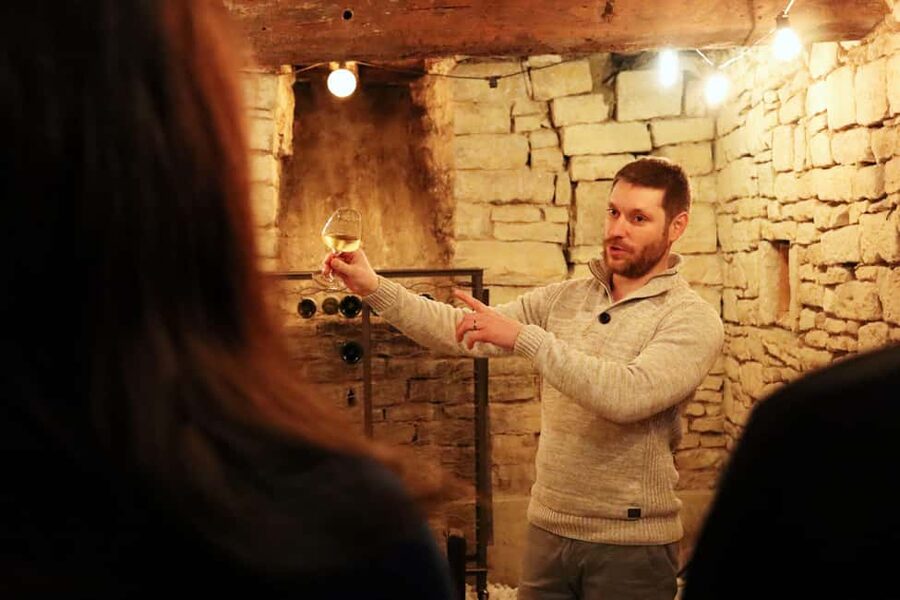
Dijon’s historic wine cellars give this tasting a useful sense of place. You are not driven out to a distant estate. Instead, you walk into Les Caves de La Fine Heure at 32 Rue Berbisey and explore Burgundy from beneath the city, with five wines and a warm homemade Comté gougère to keep things grounded.
I like the clear lineup: one Crémant, two whites, and two reds, including a Premier Cru. I also like that the tasting explains Burgundy’s history, geology, and Climats rather than serving wine with no context. The main consideration is value. At $47 per person, this is more than a quick pour, so you should expect solid guidance and careful tasting service for the price.
Key points to know before booking
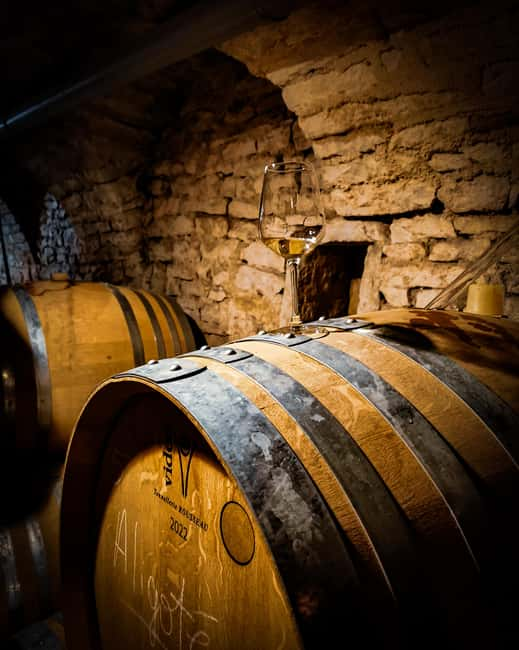
- Five Burgundy wines in one sitting: The tasting includes Crémant, two white wines, and two reds, with one Premier Cru.
- A genuine old-cellar setting: The tasting takes place in cellars dating from the 16th and 18th centuries beneath central Dijon.
- A homemade Comté gougère: This warm, savory pastry is served with the wines and gives you a taste of local comfort food.
- A wine made by the venue: One of the wines is vinified in the cellar by La Fine Heure.
- French and English instruction: A live guide leads the experience in French or English, so confirm your preferred language when booking.
- A useful follow-up stop: You can buy bottles in the wine shop or book a table at the La Fine Heure restaurant afterward.
Burgundy in the basement of central Dijon
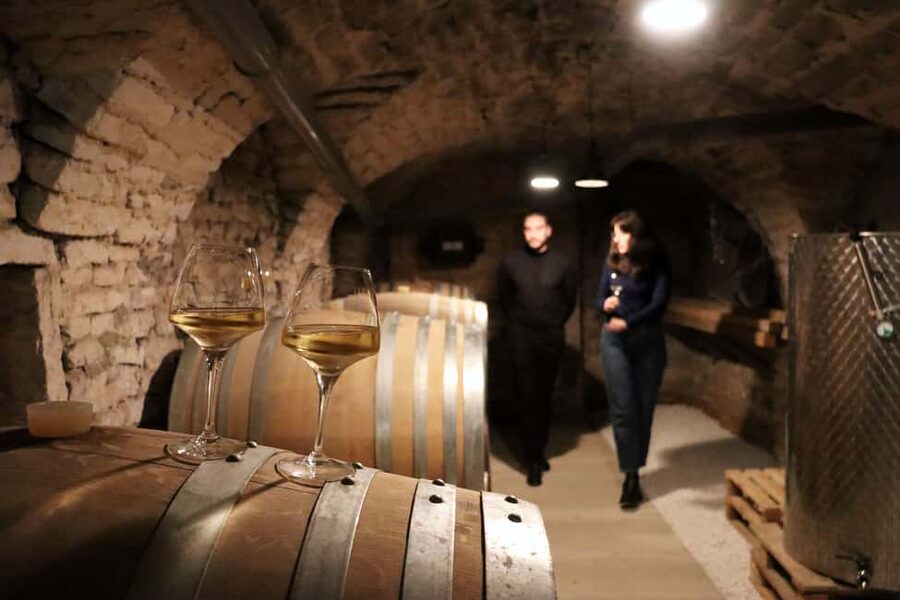
The setting is the first reason to consider this experience. Burgundy wine can require a lot of driving, planning, and knowledge of village names. Here, you get a compact introduction in the center of Dijon, at Les Caves de La Fine Heure on Rue Berbisey.
The old cellar is the backdrop, not a decorative afterthought. Dating from the 16th and 18th centuries, it gives you a physical link to the city’s wine trade and food culture. The stone surroundings should appeal to you if you prefer a local, atmospheric room to a modern tasting counter.
Still, keep your expectations in check. This is a cellar visit and tasting, not a full day touring vineyards, meeting several winemakers, or traveling through the Côte de Nuits and Côte de Beaune. The advertised activity may display a one-day duration because of the booking system, but the actual wine tasting lasts about 1.5 hours.
That short length can work well in Dijon. You can fit it between sightseeing, lunch, and an afternoon walk. It also means the value depends heavily on the quality of the explanations and the care given to each wine.
More wine tours in Dijon:
- Dijon: La Cave du Palais Burgundy Wine Tasting Experience
★ 4.8 · 400 reviews - Small-Group Full-Day Tour of Côte de Nuits, Côte de Beaune Vineyards and Beaune Historical District
★ 5.0 · 364 reviews - Pinot Noir Masterclass – Wine tasting in Dijon
★ 5.0 · 147 reviews
Five wines that cover the Burgundy basics
The selection is arranged to give you a broad first look at Burgundy. You begin with one Crémant, Burgundy’s sparkling wine, then move to two whites and two reds.
That order makes sense for a beginner. The sparkling wine gives you a fresh opening, the whites let you compare Burgundy’s softer and more mineral styles, and the reds introduce the region’s famous red-wine character. The tasting also includes one Premier Cru, which gives you a chance to consider how a more highly classified wine differs from the other pours.
One of the wines is made in the venue’s own cellar. That detail gives the tasting a more personal angle. You are not only sampling bottles chosen from elsewhere. You are also learning about the work done under the same roof where the experience takes place.
The exact producers, appellations, vintages, and grape varieties are not specified in the available details. I would ask the guide about each bottle as it is poured. In Burgundy, the name on the label matters greatly, and a useful explanation should connect the wine to its village, soil, climate, and classification.
You should also pay attention to the tasting equipment. A professional tasting normally benefits from a clean glass for each wine, or at least a careful rinse between pours. One past attendee reported that all five wines were served in the same glass without changing it, which can blur the differences between wines. If that happens, politely ask how the glasses are being handled. It is a small practical point, but it matters when the purpose is to compare aromas and flavors.
Learning a tasting method, not just drinking
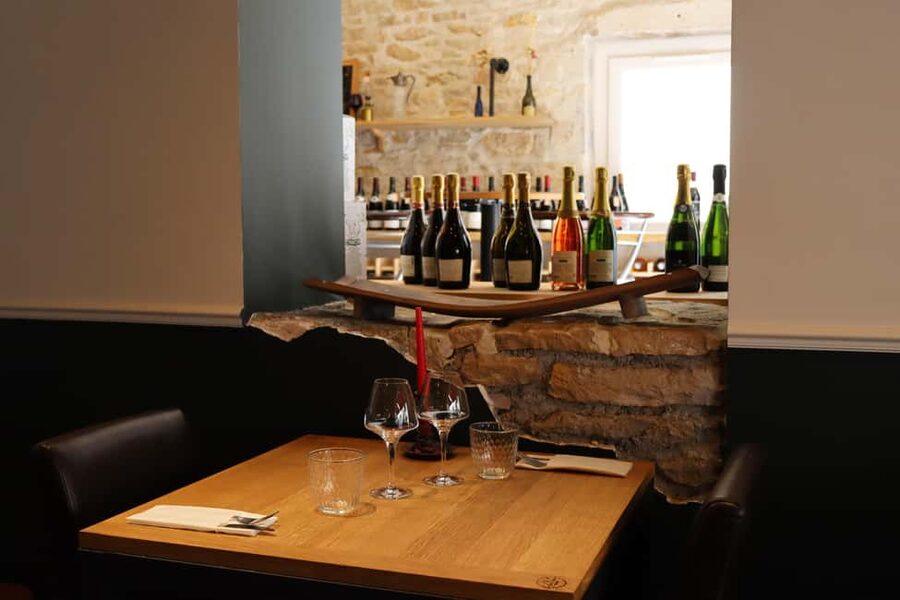
The experience promises to teach you a tasting method. That is more valuable than a list of wine names because it gives you something to use later.
You should expect to learn how to look at the wine, smell it, taste it, and describe what you notice. A simple method helps you avoid the usual problem of standing over a glass and wondering what you are supposed to find. It can also make the tasting less intimidating if Burgundy is new to you.
The guide also discusses Burgundy’s history, geology, and Climats. The word Climat has a specific meaning in Burgundy. It refers to a precisely defined vineyard parcel with its own combination of soil, slope, exposure, and local tradition. That idea is central to understanding why wines from nearby places can taste different and why Burgundy labels can be hard to read.
I like this educational focus because it connects the wine to the region rather than treating each sample as an isolated drink. You will get more from the tasting if you ask questions about how the soil affects the wine, why the Premier Cru is classified differently, and how the house-made wine fits into the local picture.
The quality of the explanation may depend on your language. French and English are the stated languages, but one English-speaking attendee felt that the English portion was shorter and less detailed than the French presentation. If you speak English only, make your language preference clear at the start and ask for clarification when needed.
If you need Spanish, do not assume it is available. The stated languages are French and English, and a Spanish-speaking booking was previously affected by a language mismatch. Confirm before booking rather than relying on an online language label.
The Comté gougère is part of the appeal
The food is simple, but it matters. You receive one generous homemade Comté gougère, a light cheese puff made with Comté, the famous cheese of the Jura and Burgundy area.
A gougère is an ideal match for a wine tasting. It is savory without being heavy, and its cheese flavor gives your palate something familiar between pours. It also makes the tasting feel connected to local food rather than being only a technical wine lesson.
Do not think of the gougère as a full meal. The information promises one pastry, not lunch or dinner. If you are hungry, plan to eat before or afterward. La Fine Heure has a restaurant featuring local specialties, but a restaurant reservation is not included in the tasting price.
This is one of the experience’s nice practical touches. The food gives you a taste of Burgundy’s table manners and helps explain why wine is so closely tied to regional cooking. You are not only learning how to identify wine. You are considering how it works with food.
More food and drink in Dijon:
- Dijon: Cheese and Burgundy Wine Tasting Workshop
★ 4.8 · 122 reviews - Chardonnay Masterclass – Wine tasting in Dijon
★ 5.0 · 91 reviews - Small group Burgundy tour of Beaune with Wine Tasting from Dijon
★ 4.5 · 85 reviews - 🍷 Masterclass Pinot Noir – Wine tasting in Dijon 🇫🇷
★ 4.5 · 35 reviews
What the 1.5-hour visit feels like
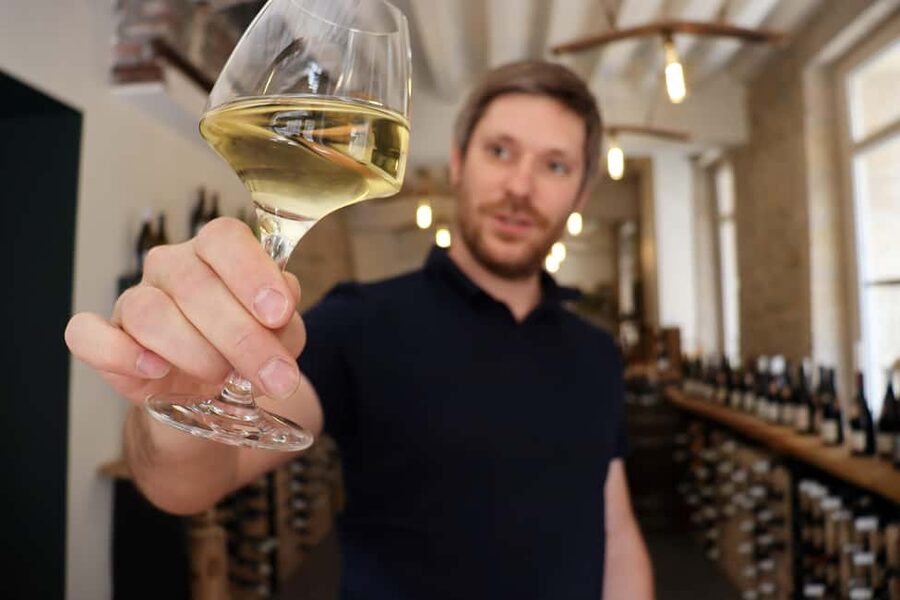
The route is simple. You meet at Les Caves de La Fine Heure, enter the historic cellar, take part in the tasting, and finish back at the same address.
The tasting itself lasts about 1.5 hours. That is enough time for five wines and an introduction to tasting, but not enough for a slow, elaborate seminar on every part of Burgundy. Expect a focused session rather than a long winery visit.
A likely flow is:
- Meet at 32 Rue Berbisey and enter Les Caves de La Fine Heure.
- Visit the historic cellar spaces.
- Learn the basic tasting method.
- Taste the Crémant.
- Compare two white wines.
- Taste two red wines, including one Premier Cru.
- Enjoy the homemade Comté gougère.
- Continue to the shop or restaurant if you choose.
The final part is flexible. You can buy bottles in the wine shop, which is useful if you discover a style you want to take home. You can also book a table at the restaurant for local dishes. Neither option is included, so treat it as a possible continuation rather than part of the paid tour.
Is $47 a fair price?
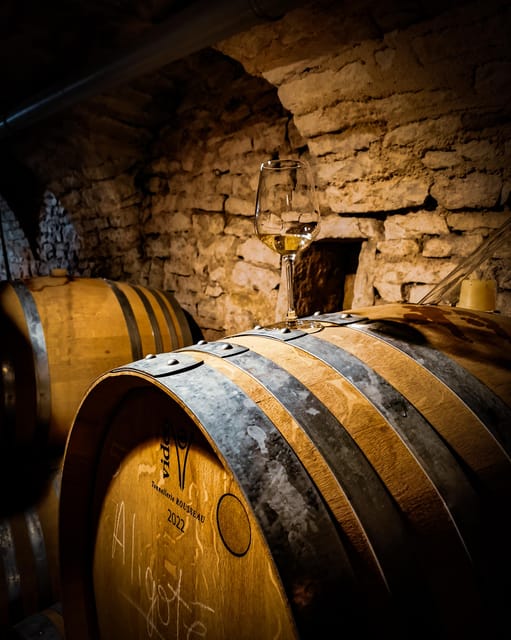
At $47 per person, the price is reasonable only if you value the cellar setting and the instruction, not simply the amount of wine.
You are paying for five samples, the cellar visit, a guided tasting method, regional context, and a gougère. The inclusion of a Premier Cru and a wine made by the venue adds interest. For a first introduction to Burgundy in central Dijon, that package can be convenient and worthwhile.
The price is less attractive if you only want to try five wines quickly. A basic tasting without careful explanations may feel expensive, especially because the entire visit takes about 1.5 hours. One attendee considered a similar charge too high for what felt like a simple tasting in the restaurant’s basement.
The best way to judge the price is to ask what you want from Burgundy. If you want an easy introduction without leaving Dijon, the location saves time and transport. If you want vineyard scenery, several estates, or a larger number of serious tastings, you should look for a full-day wine excursion instead.
I would also expect the service to match the price. Clean glassware, balanced explanations in both listed languages, and enough time to compare the wines are important. These details can make the difference between a useful introduction and an ordinary tasting.
Who should book this experience?
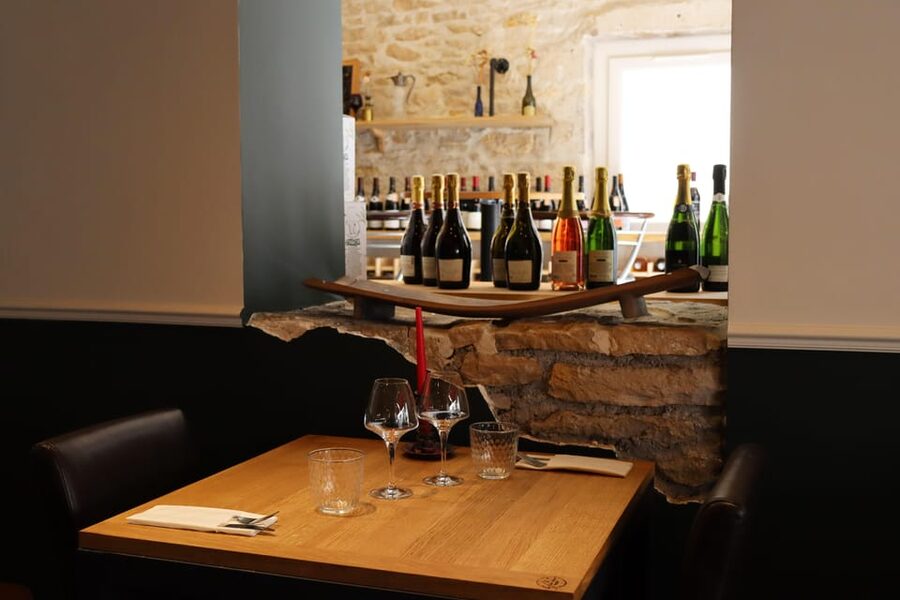
This tasting suits adults who want to understand Burgundy without committing to a full countryside tour. It is especially handy if you are already staying in Dijon and want a wine activity within the historic center.
You will likely get the most from it if you are new to Burgundy or want a refresher before buying bottles. The mix of sparkling, white, and red wines gives you a broad starting point, while the tasting method helps you organize what you are noticing.
It also suits food-minded visitors. The Comté gougère and the option to continue at the local-specialty restaurant add a regional food angle.
The activity is not for children under 18. It is wheelchair accessible, which makes it more practical for visitors who need step-free access, though you may still want to confirm the cellar route and facilities directly before arrival.
The reference to altitude sickness is unusual here, since this is a downtown Dijon experience rather than a mountain excursion. Still, the activity information lists it as unsuitable for people with altitude sickness.
Small details that can improve your visit
I would arrive ready to take notes. Burgundy names can pass quickly, and writing down the wine, color, aroma, and your own reaction will help you remember what you tasted.
Ask the guide to explain the Premier Cru in plain language. The label may seem more important than the flavor at first, but the comparison can help you understand how Burgundy ranks vineyard sites.
Also ask about the house-made wine. Since it is vinified in the cellar, it is one of the most distinctive parts of the tasting. Find out where the grapes come from, how the wine is made, and how it differs from the other bottles.
If the session is conducted in both French and English, be patient but attentive. A bilingual tasting can take longer, and the level of detail may not be identical in each language. Tell the guide at the beginning that you want the full explanation in English.
Finally, do not feel pressured to buy a bottle afterward. The wine shop is a useful option, not an obligation. If you do purchase something, ask how the bottle should be transported and when to drink it.
Should you book the Dijon cellar tasting?
Book it if you want a compact, central introduction to Burgundy with an old-cellar setting, five varied wines, a Premier Cru, and a local cheese pastry. The format is easy to fit into a Dijon day, and the teaching element gives it more purpose than a simple drink-and-leave stop.
Think twice if your main goal is a full vineyard day or if $47 feels high for 1.5 hours. You should also confirm the language and expect careful glassware handling, since both points can affect how much you gain from the tasting.
For the right visitor, this is a practical first step into Burgundy wine. It will not replace time among the vineyards, but it can help you understand what to look for before you explore further.
FAQ
Where does the wine tasting begin?
It begins at Les Caves de La Fine Heure, located at 32 Rue Berbisey in Dijon.
How long does the tasting last?
The tasting portion lasts about 1.5 hours. The booking information may display a one-day duration, but the scheduled wine experience itself is listed as 1.5 hours.
How many wines are included?
Five wines are included: one sparkling Crémant, two white wines, and two red wines.
Is a Premier Cru included?
Yes. One of the two red wines is a Premier Cru.
Is food included?
Yes. You receive one generous homemade Comté gougère. A restaurant meal is not included.
What languages are available?
The live guide is listed as speaking French and English. Spanish is not among the stated languages, so confirm before booking if you need Spanish.
Can I buy wine after the tasting?
Yes. You can buy bottles in the La Fine Heure wine shop, but bottle purchases are not included in the activity price.
Can I eat at the restaurant after the tasting?
You can book a table at the La Fine Heure restaurant, which serves local specialties. The reservation and meal are not included.
Is the experience wheelchair accessible?
Yes. The activity is listed as wheelchair accessible.
Can children attend?
No. The experience is not suitable for children under 18.
More history tours in Dijon
- Paris: Louvre Museum Entry with History of Mona Lisa
★ 3.9 · 2,823 reviews - Paris: Dark History and Ghostly Guided Walking Tour
★ 4.7 · 1,000 reviews - Vieux Lyon Cultural & Historical Walking Guided Tour (English)
★ 5.0 · 942 reviews - Bordeaux: Historic Center & Chartrons District Bike Tour
★ 4.8 · 709 reviews
Just added in Dijon
- Chardonnay Masterclass – Wine tasting in Dijon★ 5.0 · 91 reviews
- Cheese and Wine Pairing 1-Hour Session in Dijon★ 5.0 · 34 reviews
- Half Day Tour of the Cote de Nuits Vineyards from Dijon★ 5.0 · 108 reviews
- Small group Burgundy tour of Beaune with Wine Tasting from Dijon★ 4.5 · 85 reviews
- From Dijon: Full day the most of Burgundy with lunch★ 5.0 · 40 reviews
- 🍷 Masterclass Pinot Noir – Wine tasting in Dijon 🇫🇷★ 4.5 · 35 reviews
- Dijon: Cheese and Burgundy Wine Tasting Workshop★ 4.8 · 122 reviews
- Dijon: Half-Day Guided Gourmet Bike Tour★ 4.3 · 33 reviews
Wine Tours, compared.
Authentic Parisian Gourmet Food Tour with 10 Local Dishes & Wines
Read our review →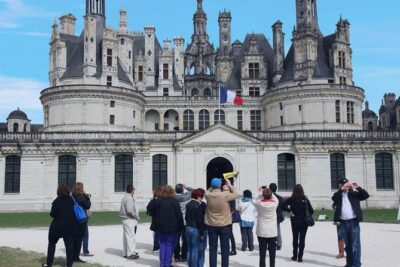
Loire Valley Castles Day Trip from Paris with Complementary Wine
Read our review →
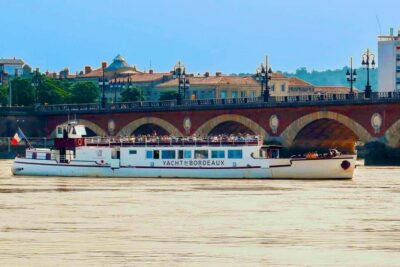
River Garonne Cruise with Glass of Wine and Canelé
Read our review →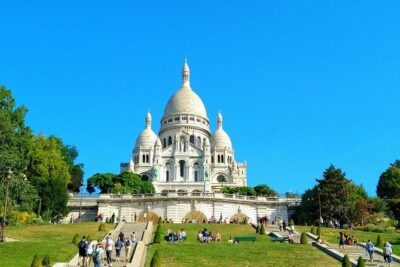
Montmartre Hill French Gourmet Food and Wine Tasting Walking Tour
Read our review →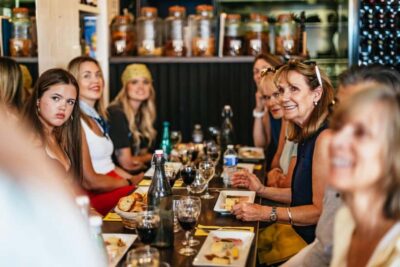
Montmartre Cheese, Wine & Pastry Guided Walking Tour
Read our review →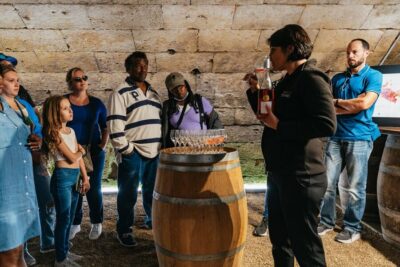
Loire Valley Castles Day Trip With Wine Tasting
Read our review →
Afternoon Saint-Emilion Wine Tasting & snack
Read our review →Browse the lists this tour appears in