
Reviewed · WINE TOURS
Pinot Noir Masterclass – Wine tasting in Dijon
Burgundy wine can seem like a secret code. This 45-minute Pinot Noir masterclass gives you the key: four wines tasted in order, from Village appellation to Grand Cru. You hear how Burgundy’s Climats, soil, place, and classification system shape the wine, rather than simply sampling four unrelated bottles.
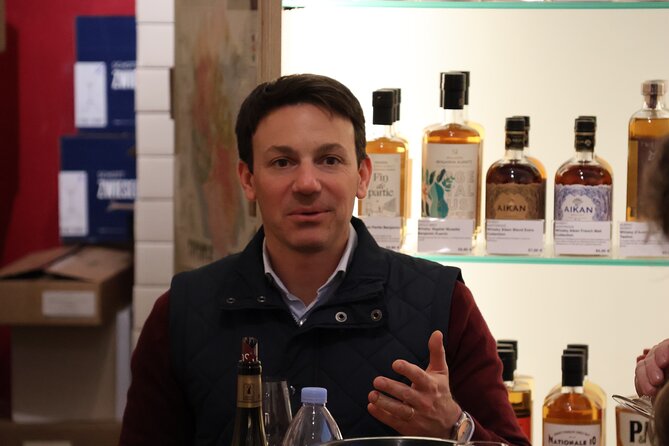
I like two things right away. The small maximum of six people allows room for questions, and the tasting is led by wine specialists such as Mattéo, Emily, Adrien, and Pierre. The price is also fair for Dijon, especially if you want a useful introduction before visiting the Côte d’Or vineyards.
The main catch is the setting. This takes place at the back of a working wine shop on Rue Musette, not in a polished cellar or seated tasting room. Space can be tight, customers may pass through, and seating may be limited, so set your expectations accordingly.
Key points at a glance
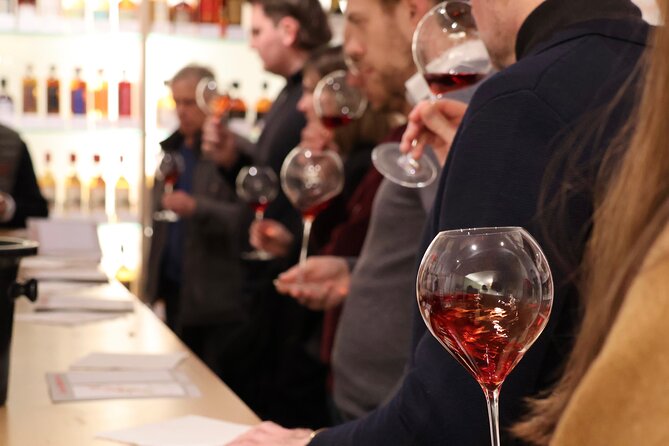
- Four wines, four Burgundy levels: Taste the progression from Village appellation to Grand Cru in one sitting.
- A useful first lesson: Learn how Pinot Noir, terroir, geography, and appellations connect.
- Small group size: The maximum is six people, making questions easier than in a large tasting.
- Central Dijon meeting point: Begin and finish at 1 Bis Rue Musette in the historic center.
- Short and affordable: At $42.34 per person for about 45 minutes, it fits neatly into a busy Dijon day.
- Shop setting, not a lounge: Expect a lively retail space, limited room, and possibly little seating.
Four Burgundy wines that explain a complicated region
The smart idea here is the order of the tasting. Instead of presenting four bottles with four long descriptions, the class uses Burgundy’s four broad appellation levels as a teaching tool.
You begin with a Village wine, then move upward through the classification system until you reach a Grand Cru. That comparison helps you notice how Burgundy labels organize wine by place and status. It also gives you a framework for reading bottles later, which is far more useful than memorizing a few producer names.
The wines are Burgundy Pinot Noirs. Burgundy is closely linked with this grape, and the class keeps the focus narrow enough for you to compare the wines directly. You can pay attention to changes in aroma, body, finish, and overall character as the classification rises.
This is not a formal wine certification course. It is an introduction designed to help you get oriented. If Burgundy labels have ever looked like a list of villages and unfamiliar vineyard names, the session should make the system less intimidating.
The class also explains the Climats of Burgundy, the named vineyard parcels that give the region much of its identity. Geography matters here. A small change in slope, soil, or exposure can affect the grapes, and the instructors use the wines to connect those ideas with what is in your glass.
More wine tours in France:
- Authentic Parisian Gourmet Food Tour with 10 Local Dishes & Wines
★ 5.0 · 4,754 reviews - Loire Valley Castles Day Trip from Paris with Complementary Wine
★ 4.5 · 3,907 reviews - Bordeaux: Cité du Vin Entry Ticket and Wine Tasting
★ 4.6 · 3,885 reviews
Meeting Mattéo, Emily, Adrien, or Pierre
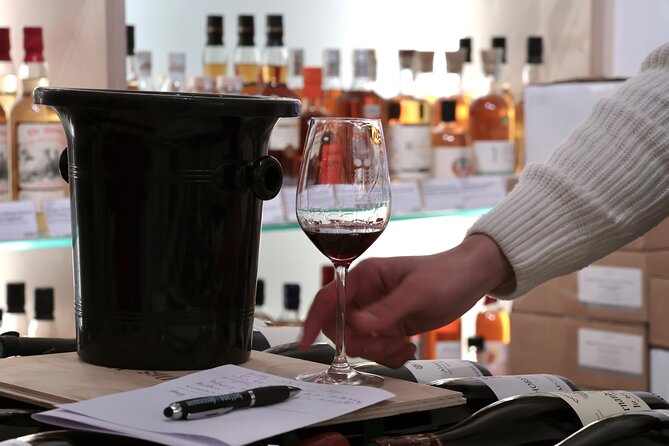
The teaching is a major part of the experience. Different sessions may be led by Mattéo, Emily, Adrien, Pierre, or another member of the shop team. The individual style can vary, but the shared aim is clear: explain Burgundy in plain terms and give you a starting point for further tasting.
Adrien is described as the shop’s maître caviste and an ambassador for the Climats of the Burgundy Vineyard, a UNESCO World Heritage site. Mattéo is praised for his enthusiasm and ability to teach. Emily has led sessions focused on giving newcomers a clear introduction. Pierre is noted for patient answers, humor, and careful explanations of Pinot Noir, terroir, and appellations.
That range matters because this is not a silent pour-and-sip exercise. You are expected to listen, compare, and ask questions. The instructors cover local wine geography, the history of the region, and basic tasting technique in a compact period.
The short duration means the presentation has to move quickly. One enthusiastic guide may pack in a surprising amount of information, which is useful if you want a concentrated lesson. It can feel like a lot if you prefer a slow, social tasting with plenty of time between pours.
My advice is to arrive with one or two questions ready. Ask how Village, Premier Cru, and Grand Cru differ, or ask how to use Burgundy’s labels when buying a bottle. With no more than six people, you should have a fair chance to get a direct answer.
The wine shop setting at 1 Bis Rue Musette
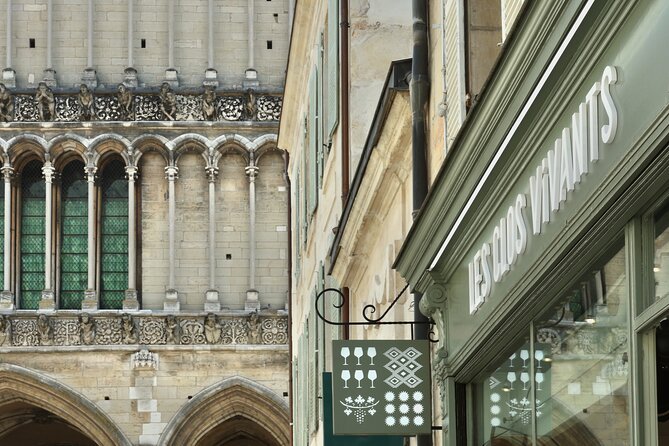
The meeting point is 1 Bis Rue Musette, 21000 Dijon, and the activity ends at the same place. It is near public transportation, and the central location makes it easy to fit into an afternoon or evening in Dijon.
The practical detail to remember is that the tasting happens inside a working wine shop. Bottles and retail customers are part of the surroundings. This gives the class an authentic connection to the local wine trade, but it also means the room does not have the calm, private feel of a dedicated tasting salon.
The available space can be cramped. A previous session had participants standing around the shop’s stock, and another account noted that chairs were not immediately available. The provider says chairs can be supplied, so ask at the start if you need one. Do not assume that a seat will be waiting for everyone.
This setting has a useful advantage: you can see the kind of bottles a Dijon wine merchant selects and ask about buying wine after the class. Several people have bought bottles from the shop after tasting. That is convenient, but it also creates a gentle temptation to spend more than the ticket price.
The shop atmosphere also explains why customers may pass through during the session. If you need quiet, personal space, and a formal presentation, this may disappoint. If you like seeing how wine is sold in a real French city shop, the setting adds character.
What the 45-minute schedule feels like
The start time is 5:00 pm, a sensible hour for a short evening activity. The exact flow can vary with the guide, but you can expect an introduction to Burgundy and Pinot Noir, followed by four pours arranged by appellation.
The opening explanation sets up the main lesson: Burgundy wine is closely tied to place. You learn why the region’s geography and named parcels matter, then use the wines to see how the classification works.
The tasting itself is the heart of the class. Four wines may not sound like much, but the progression gives each glass a job. The Village wine establishes a reference point. The later wines show how the classification changes the conversation around origin, quality, and price.
Do not expect generous pours designed to make you tipsy. The point is comparison and instruction. Forty-five minutes is long enough to grasp the basic system, but not long enough for a full survey of Burgundy producers, vintages, or white wines.
A cassis liqueur from Dijon’s Maison Briottet has also been included at the end of at least some sessions. It is not part of the stated four Burgundy wines, so treat it as a possible extra rather than a guaranteed part of the program. If served, it provides a sweet local finish after the Pinot Noir tasting.
More food and drink in France:
- Paris: Seine Cruise & Crepe Tasting near the Eiffel Tower
★ 4.4 · 11,231 reviews - Normandy D-Day Small-Group Day Trip with Omaha Beach, Cemetery & Cider Tasting
★ 5.0 · 2,786 reviews - Paris: Illuminated Evening River Cruise & Waffle Tasting
★ 4.1 · 2,697 reviews - Montmartre Hill French Gourmet Food and Wine Tasting Walking Tour
★ 5.0 · 2,588 reviews
What you will learn about Pinot Noir and terroir
The best outcome is not identifying every aroma. It is learning how to taste with a question in mind.
You can compare the wines by asking:
- How does the aroma change from one appellation to the next?
- Does the wine feel lighter, fuller, more structured, or longer on the finish?
- What does the guide say about the vineyard location and soil?
- How does the classification affect the bottle’s price and reputation?
The instructors explain wine vocabulary as part of the lesson. You are introduced to appellations, terroir, geography, and the Climats rather than being left to decode those terms alone.
This is especially helpful before a wine trip in Burgundy. A vineyard visit can be beautiful and memorable, but the information comes quickly. Knowing the difference between a Village wine and a Grand Cru before you visit gives you a better chance of understanding what the producer is explaining.
The class also suits anyone who has bought Burgundy wine without knowing what the label means. Burgundy labels often emphasize the place rather than the grape variety. Once you understand that Pinot Noir is the grape and the appellation tells you more about origin and classification, the bottles become easier to approach.
The lesson remains introductory. You will not become an expert in 45 minutes, and the class does not promise a full survey of Burgundy’s producers or vintages. Think of it as a clear first map, not the entire territory.
Is $42.34 good value?
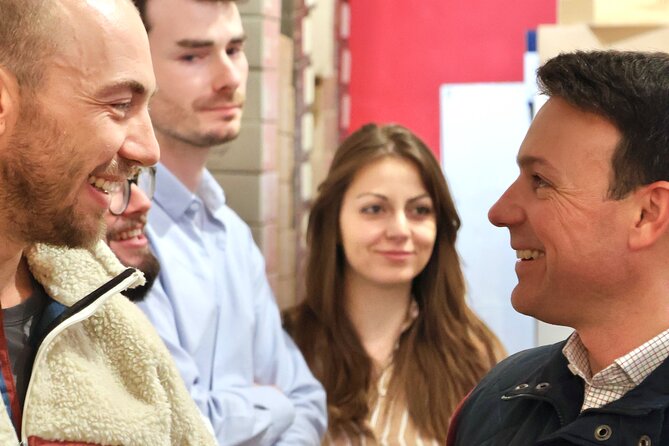
At $42.34 per person, the tasting is not the cheapest way to drink four wines. You could buy a bottle for less, but that would not give you the guided comparison or the explanation of Burgundy’s classification system.
The value is strongest for three types of visitor. First, you may be staying in Dijon without time for a full day in the vineyards. Second, you may be planning a longer wine tour and want some background first. Third, you may simply want to understand Burgundy before buying a bottle to take home.
Four wines from Village to Grand Cru can also give you a clearer sense of why Burgundy prices vary. The session does not make every Grand Cru affordable, of course, but it helps explain what you are paying attention to when a bottle carries a higher classification.
Food is not included. That is worth noting because wine tastings sometimes come with cheese, bread, or other small bites. Plan to eat separately before or after the class, especially if you do not usually drink wine on an empty stomach.
The price feels reasonable if you value instruction and comparison. It feels less attractive if you mainly want a relaxed evening with generous pours, food, and a comfortable seat.
Who should book this Dijon tasting?
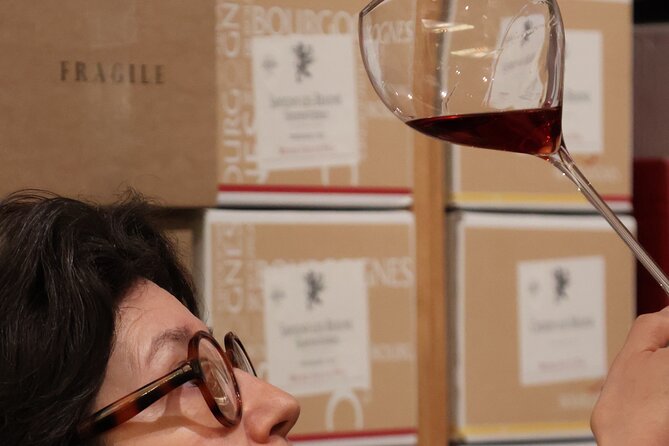
I would recommend it most strongly to first-time Burgundy visitors. The classification ladder gives you a simple way to understand a region that can otherwise feel confusing. It is also a good prelude to a week of winery visits.
You will likely enjoy it if you:
- Want an English-language introduction to Burgundy wines
- Have limited time in Dijon
- Prefer a small group to a large organized tasting
- Want to learn about Pinot Noir and appellations
- Plan to buy Burgundy wine during your trip
- Like asking questions directly to a wine merchant
It may not suit you if you want a romantic, quiet, seated tasting with food. The retail shop can feel busy, and the 45-minute format is brisk. Someone already familiar with Burgundy’s classifications may also find the class too basic.
Service animals are allowed, and the meeting point is near public transportation. The experience is offered in English, which makes it a practical choice for visitors who do not speak French.
Booking, timing, and cancellation details
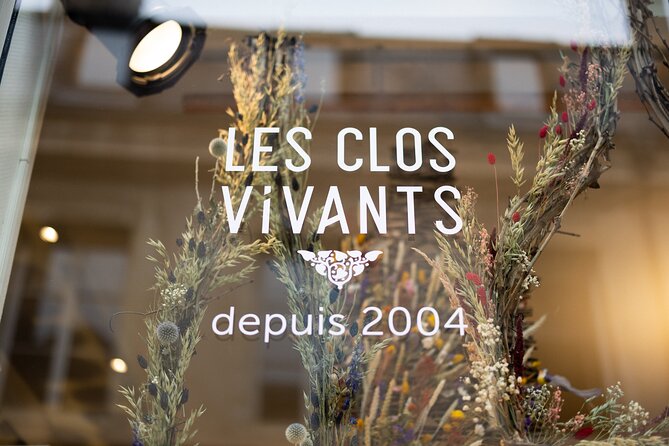
The activity starts at 5:00 pm and finishes back at the shop. It is commonly booked about 22 days in advance, so reserving ahead is sensible if your Dijon dates are fixed. The maximum group size is six, though the physical space may still feel close because this is a working shop.
You receive confirmation at booking. Free cancellation is available if you cancel at least 24 hours before the local start time. Cancellations or changes made less than 24 hours ahead are not accepted for a refund.
My recommendation
Book this Pinot Noir masterclass if you want a compact, useful lesson before exploring Burgundy on your own. The four-wine progression is well chosen, the small group keeps the teaching personal, and the guides bring real wine-shop experience to the discussion.
Go in expecting a standing or partly seated shop tasting, not an elegant cellar lounge. Bring questions, eat separately, and allow the guide’s explanation of terroir and appellations to do the work. For a first taste of Burgundy in Dijon, the experience offers strong value and a practical foundation for the rest of your trip.
FAQ
Where does the Pinot Noir Masterclass take place?
It starts and ends at 1 Bis Rue Musette, 21000 Dijon, France.
What time does the tasting start?
The stated start time is 5:00 pm.
How long does the activity last?
The tasting lasts approximately 45 minutes.
How many wines are included?
Four Burgundy wines are included.
What wine classifications are covered?
The tasting moves from the Village appellation to the Grand Cru level.
Is food included?
No. Food is not included in the activity.
Is the tasting offered in English?
Yes. The activity is offered in English.
How many people can join?
The maximum group size is six people.
Is the meeting point near public transportation?
Yes. The meeting point is near public transportation.
Can I cancel for a full refund?
Yes, if you cancel at least 24 hours before the experience start time. Cancellations made less than 24 hours before the start time are not refunded.
Just added in France
- From Beaune: Full-Day Bicycle and Wine Tour in Burgundy★ 4.9 · 95 reviews
- Marseille: Calanques Sailing Day Trip with Lunch and Wine★ 4.8 · 411 reviews
- Alsace Half-Day Wine Tour from Strasbourg★ 4.8 · 346 reviews
- From Aix: Cassis Boat Ride & Provence Wine Tasting Day Tour★ 4.8 · 103 reviews
- From Avignon: Châteauneuf du Pape Half-Day Wine Tour★ 4.7 · 365 reviews
- From Lyon: Golden Stones Beaujolais Wine Tasting Tour★ 4.7 · 387 reviews
- From Marseille: Provence Sightseeing Tour and Wine Tasting★ 4.7 · 195 reviews
- Montpellier: Pic Saint-Loup Wine Tour★ 4.9 · 243 reviews
Wine Tours, compared.
Authentic Parisian Gourmet Food Tour with 10 Local Dishes & Wines
Read our review →
Loire Valley Castles Day Trip from Paris with Complementary Wine
Read our review →
River Garonne Cruise with Glass of Wine and Canelé
Read our review →
Montmartre Hill French Gourmet Food and Wine Tasting Walking Tour
Read our review →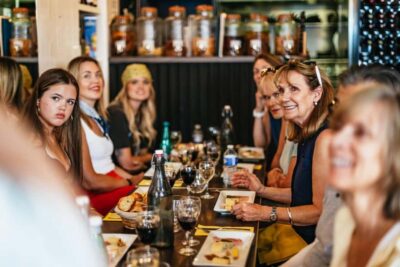
Montmartre Cheese, Wine & Pastry Guided Walking Tour
Read our review →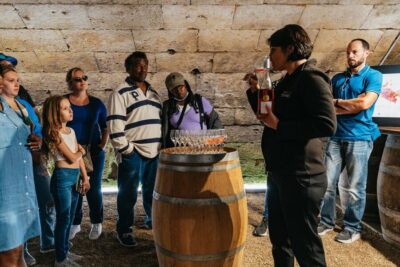
Loire Valley Castles Day Trip With Wine Tasting
Read our review →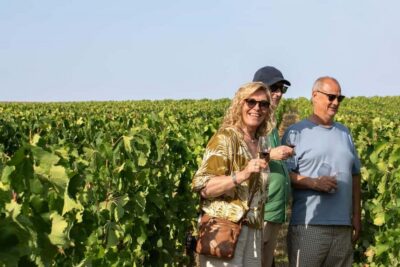
Afternoon Saint-Emilion Wine Tasting & snack
Read our review →Browse the lists this tour appears in