
Reviewed · WINE TOURS
Burgundy Wines Masterclass in Dijon
Burgundy wine can feel like a code made of tiny villages, vineyard names, grape rules, and French labels. This two-hour masterclass gives you a clear way in, with six Burgundy wines, including some Premier Cru bottles, served alongside local cheese and charcuterie. You learn how to taste before you start judging the wine, which makes the class useful even if your usual wine vocabulary begins and ends with red or white.
I like the small-group format, capped at nine, and the relaxed teaching style offered by Matthieu, also called Matt in English, and Pauline. I also like the practical focus: you learn to identify aromas, understand Burgundy classifications, read a label, and choose food pairings instead of simply drinking a line-up of expensive bottles. The main consideration is the fixed start time of 4:30 p.m., although another slot may be possible by request.
Key points to know before booking
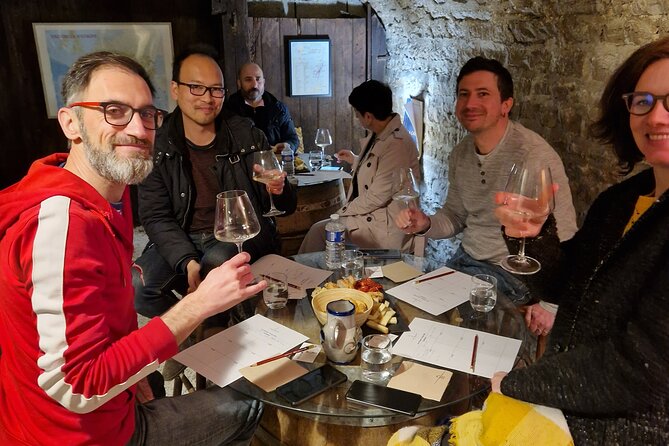
- Six Burgundy wines in one sitting: Expect a mix of regional styles, with some Premier Cru included.
- A real lesson, not just a tasting: The class covers aromas, grapes, production rules, crus, labels, and local history.
- Small and personal: The maximum group size is nine, and private questions are welcome throughout.
- Local food is part of the experience: Cheese and charcuterie help show how Burgundy wines work at the table.
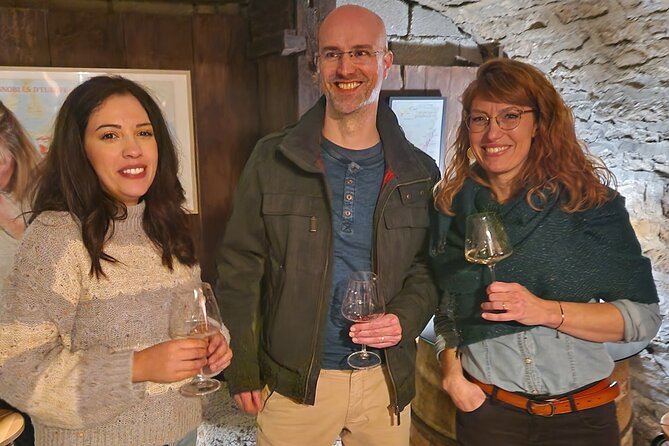
- A cellar setting: The class takes place at The Wine Compass, with reviews describing an underground wine cellar.
- Plan around the alcohol and food: Dietary needs must be shared ahead of time, and the experience is not suitable for people with health issues linked to alcohol.
Why Burgundy wine needs its own lesson
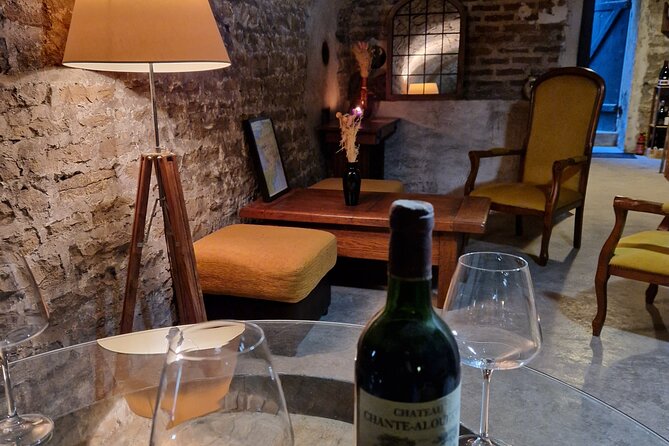
Burgundy is not hard because the wine is obscure. It is hard because the names on the bottle often point to place more than grape. A Burgundy label can tell you about the village, vineyard rank, producer, and appellation, but it may not spell out the grape in the bold, obvious way you might expect from a New World bottle.
That is why this class makes sense early in a Dijon visit. You get the basic map before you go looking for bottles in shops, restaurants, or nearby wine towns. The session explains the different areas of Burgundy, the grapes used there, production rules, and the classification system that separates regional wine from village, Premier Cru, and Grand Cru levels.
The subject can become technical quickly. Instead of expecting you to arrive with a working knowledge of French wine law, the class starts with the fundamentals and adjusts to the people in the room. If you already know your way around wine, you can ask more advanced questions about producers, vintages, style, and value. If you are new to Burgundy, you have room to ask the basic questions without feeling out of place.
The best part is that the class connects the rules to what is in your glass. A label lesson is far more useful when you can taste the difference between wines from different parts of the region at the same time.
More wine tours in France:
- Authentic Parisian Gourmet Food Tour with 10 Local Dishes & Wines
★ 5.0 · 4,754 reviews - Loire Valley Castles Day Trip from Paris with Complementary Wine
★ 4.5 · 3,907 reviews - Bordeaux: Cité du Vin Entry Ticket and Wine Tasting
★ 4.6 · 3,885 reviews
Starting with the nose, not the price tag
The class begins with an explanation of how to taste wine properly. The method follows the systematic approach used by the Wine and Spirit Education Trust, commonly known as WSET. Matthieu reached the highest level of that school in London and has ten years of experience leading tastings for both beginners and professionals.
You start by looking at the wine, then smelling it, and finally tasting it. That order may sound formal, but it gives you a simple routine you can repeat at home. The aroma work is a particularly useful part of the session. You may be asked to identify scents connected with fruit, flowers, spice, earth, and what wine people call terroir.
Do not worry if you cannot immediately name every aroma. The point is not to win a scent contest. It is to train your nose to notice more, then use those observations to describe what you like. Wine can change in the glass over several minutes, and the class gives attention to that shift as well.
This approach also takes some pressure off the tasting. You do not need to decide if a wine is good in a single sip. You can look, smell, taste, compare, and ask why the wine feels or smells different from the one before it.
Six wines, including Premier Cru
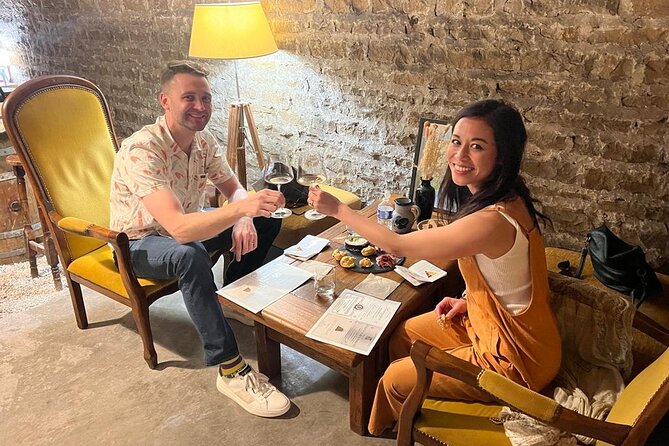
The tasting includes six Burgundy wines, with some Premier Cru examples. The exact bottles can vary, so you should not book expecting a named producer or a particular vintage. That flexibility is useful in Burgundy, where wines from small producers and different villages can show a wide range of styles.
The selection is designed to teach rather than simply impress. You may taste both red and white Burgundy, compare areas within the region, and consider how grape, soil, position, production choices, and age affect the result. The class also places attention on value, not only on famous names and Grand Cru prices.
That matters because Burgundy can become expensive very fast. A Premier Cru sample lets you understand what the classification means without turning the class into a sales pitch for the priciest bottle in the shop. One of the most useful lessons is that a higher rank does not automatically mean you will prefer the wine. Your taste still matters.
For experienced wine drinkers, the session can go beyond basic tasting technique. Matthieu has been described as able to discuss Burgundy at an advanced level, including local regions and producers. His recommendations also extend to wines from less obvious sources, which may help you find bottles with better value than the most famous labels.
Cheese and charcuterie make the lesson practical
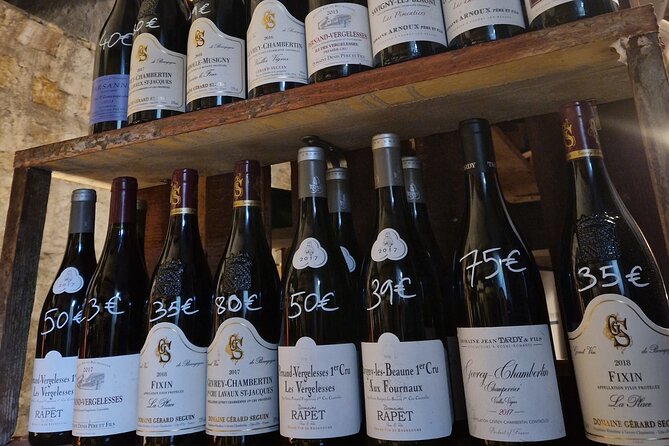
The food is not an afterthought. You receive a plate of local cheeses and charcuterie, and the pairings help you see how wine behaves with food. Salt, fat, creaminess, acidity, and spice can change your impression of a wine, so tasting with food gives you information you cannot get from wine alone.
You may find that a wine you considered too sharp becomes more balanced with cheese. A red may seem more generous with cured meat. These are simple lessons, but they are useful when you sit down at a French restaurant later in your trip.
The food also gives the two-hour class a natural rhythm. You are not rushing through six pours while listening to a lecture. You taste, discuss, eat, and return to the glass. The setting is intended to remain comfortable, with time for questions.
Tell The Wine Compass about allergies, intolerances, or other food requirements before the activity. Cheese and meat are part of the standard service, and the provider specifically asks for dietary information in advance. You should also mention any health issue linked to alcohol before booking.
Same base, a different kind of day:
- Paris: Louvre Museum Timed-Entrance Ticket
★ 4.6 · 71,977 reviews - Disneyland® Paris 1-Day Ticket
★ 4.6 · 49,412 reviews - Paris: Versailles Palace and Gardens Full Access Ticket
★ 4.6 · 41,579 reviews - Paris: Evening River Cruise with Music
★ 4.4 · 22,721 reviews
A cellar class with room for questions
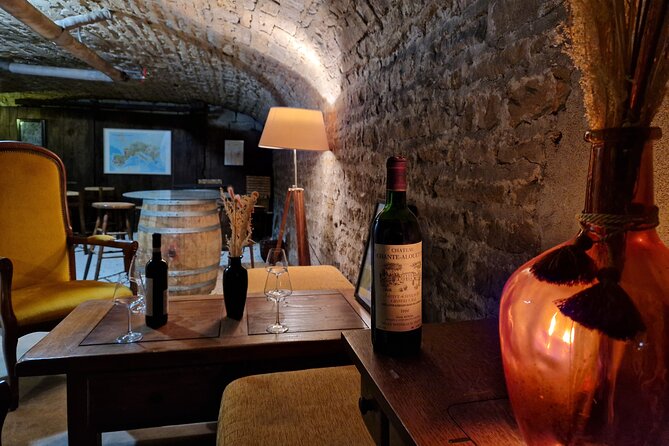
The meeting point is 1 Avenue Junot in Dijon, and the class ends back there. The setting has been described as an underground cellar, which gives the experience a more local feel than a hotel conference room. Still, keep your expectations sensible: this is a tasting class in Dijon, not a full-day trip through vineyard villages.
The maximum group size is nine. That number is small enough for direct conversation, and the private format means you can ask about a bottle, a label, or a restaurant without waiting for a large group to move on. If you are the only person booked, the class may still go ahead as a personal session, subject to the required minimum for the activity.
Matthieu leads many sessions, while Pauline also conducts the class. Both teach in English. German may be available if requested, but you should ask before booking rather than assume it is offered at every departure.
The standard start time is 4:30 p.m. That works well as a late-afternoon activity, especially if you want wine before dinner. It may not suit an early evening train or a tightly packed schedule. Another time may be possible by request, but it is not guaranteed, so contact the provider before making other plans around it.
What the two hours are really worth
The price is $110.10 per person. That is not a budget tasting, but the value depends on what you want from the session. You receive six wines, food, an organized lesson, and direct access to a specialist who can tailor the discussion to your level.
A casual tasting can give you a pleasant hour and a few wines to remember. This class aims to give you a framework you can use after leaving Dijon. You learn how to taste, how to approach Burgundy labels, how the regional classifications work, and how food changes the experience. For someone planning to buy Burgundy wine during the trip, that guidance can prevent an expensive guess.
The inclusion of Premier Cru samples is also important. Burgundy’s top categories can cost far more than the class itself when purchased by the bottle. Tasting a few examples in a guided setting lets you understand the style before you spend heavily.
The value is weaker if you only want a quick drink or a large, social party. It is also less suitable if you do not drink alcohol. But if you want to understand why Burgundy costs what it does, and how to find bottles that suit your taste, the price is easier to justify.
Who will get the most from the class
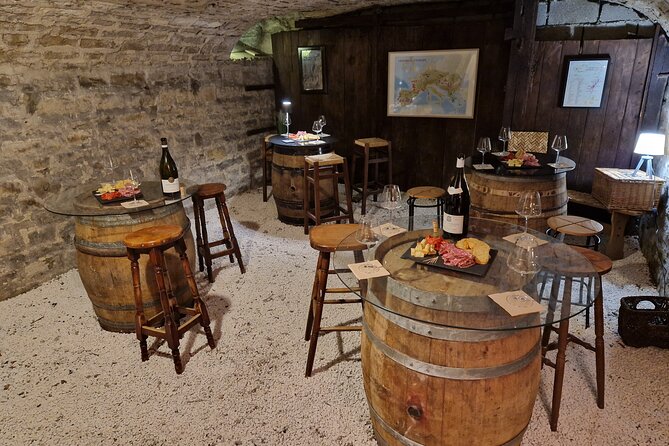
You do not need prior wine training. The teaching starts with basic tasting technique and explains the vocabulary as it comes up. Beginners can focus on aroma, flavor, and label basics, while experienced drinkers can take the discussion toward producers, regional differences, and value.
This is a good choice for:
- First-time Burgundy drinkers who want a map before visiting wine shops or vineyards.
- Wine enthusiasts who already know the basics but want more detail on crus, labels, and producers.
- Couples and small groups looking for a calm, indoor activity before dinner.
- People with limited time who cannot fit a full day in the countryside.
- Food lovers who want cheese and charcuterie included in the tasting.
- Visitors planning more wine stops who want useful questions to ask at a domaine or shop.
It may not be the right fit if you want a scenic drive through the Côte de Nuits or Côte de Beaune. Nothing in this two-hour session replaces a vineyard visit. Instead, it prepares you to get more from one.
Helpful planning details for Dijon
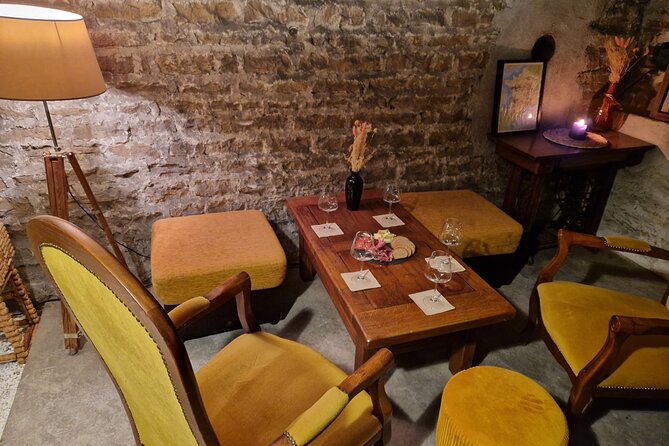
The experience is near public transportation, and confirmation is provided at booking. Since the start time is normally 4:30 p.m., leave enough time to reach 1 Avenue Junot without cutting things close.
Because the activity serves alcohol, you should not plan to drive afterward. You should also eat sensibly beforehand if you are sensitive to wine, even though cheese and charcuterie are served during the class.
The maximum is nine people, but the group may be smaller. That matters if you prefer personal instruction. It also means you should reserve ahead, especially since the activity is often booked about 29 days in advance.
Free cancellation is available up to 24 hours before the start time for a full refund. Changes or cancellations inside that window are not accepted for a refund. The activity also requires a minimum number of participants, and if the provider cancels because that minimum is not met, you will be offered another date or experience, or receive a full refund.
Is the Burgundy Wines Masterclass worth booking?
I would book this if you want more than a pleasant tasting. The strongest reason is the combination of clear instruction and serious regional detail. You can begin with no wine background, ask simple questions, and still get useful information if you already know your way around a bottle.
The small group, cellar setting, six wines, and cheese and charcuterie plate make the session feel personal. Matthieu and Pauline also leave room for questions, and Matthieu can offer practical suggestions about wine shops, restaurants, nearby cities, and shipping purchases together.
Choose another activity if your priority is a countryside tour, vineyard views, or a broad French wine tasting. Choose this one if you want to understand Burgundy before spending more money on Burgundy. For most wine-interested visitors to Dijon, the two hours provide a sensible and enjoyable foundation.
FAQ
What time does the masterclass start?
The usual start time is 4:30 p.m. Another time may be possible by request, but you should contact The Wine Compass before booking or making other plans.
Where does the activity begin?
The meeting point is 1 Avenue Junot, 21000 Dijon, France. The activity ends back at the same meeting point.
How long does the Burgundy wine class last?
The class lasts approximately two hours.
How many wines will I taste?
You will taste six Burgundy wines, including some Premier Cru selections.
Is food included?
Yes. A cheese and charcuterie plate with local products is served during the activity.
Can beginners take part?
Yes. The class is designed for beginners and experienced wine drinkers, and the teaching can be adjusted to your level.
Is the class offered in English?
Yes. English is offered. German may be available on request, so ask about it in advance.
What is the maximum group size?
The activity has a maximum of nine participants. It may sometimes operate with a smaller group, including a private session if only one booking is made, subject to the required minimum.
Can I cancel for a refund?
You can cancel at least 24 hours before the start time for a full refund. Cancellations or changes made less than 24 hours before the start time are not refunded or accepted.
Just added in France
- From Beaune: Full-Day Bicycle and Wine Tour in Burgundy★ 4.9 · 95 reviews
- From Strasbourg: Medieval Villages & Wine Tasting Day Trip★ 4.8 · 329 reviews
- Marseille: Tailored Wine Tasting Experience in Top Wine Shop★ 5.0 · 106 reviews
- Montpellier Wine and Oyster Tour★ 4.9 · 72 reviews
- Taste Wine in Lyon: Burgundy, Beaujolais, Rhône, and more★ 5.0 · 211 reviews
- Bertrand Bosc wine and food tour in Pic St Loup★ 5.0 · 242 reviews
- Small-Group Half-Day Languedoc Pic Saint-Loup Wine Tour from Montpellier★ 4.5 · 86 reviews
- Alsace Wine Route Small Group Half-Day Tour with Tasting from Strasbourg★ 4.5 · 291 reviews
Wine Tours, compared.
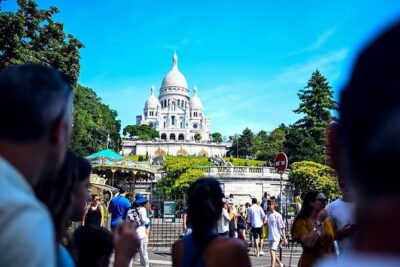
Authentic Parisian Gourmet Food Tour with 10 Local Dishes & Wines
Read our review →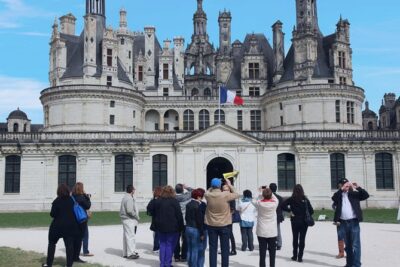
Loire Valley Castles Day Trip from Paris with Complementary Wine
Read our review →
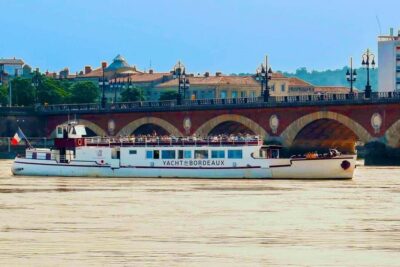
River Garonne Cruise with Glass of Wine and Canelé
Read our review →
Montmartre Hill French Gourmet Food and Wine Tasting Walking Tour
Read our review →
Montmartre Cheese, Wine & Pastry Guided Walking Tour
Read our review →
Loire Valley Castles Day Trip With Wine Tasting
Read our review →
Afternoon Saint-Emilion Wine Tasting & snack
Read our review →Browse the lists this tour appears in