
Reviewed · WINE TOURS
Dijon: Burgundy Wines Masterclass
Burgundy wine can seem like a maze of villages, vineyard names, and labels. This two-hour class in Dijon gives you a useful map before you spend money on bottles or head into the countryside. You taste several wines while learning how to assess them, where they come from, and why Burgundy rules matter.
I like the practical tasting lesson, which starts with the basics instead of assuming you already know wine jargon. I also like the generous local touch: cheese, charcuterie, and other nibbles help you understand food pairing rather than simply sniffing glasses in isolation.
The main drawback is the fixed two-hour format. It is enough for a clear introduction, but not a full survey of every Burgundy appellation. This is for adults only, and the experience is not suitable for pregnant women.
Key points to know before booking
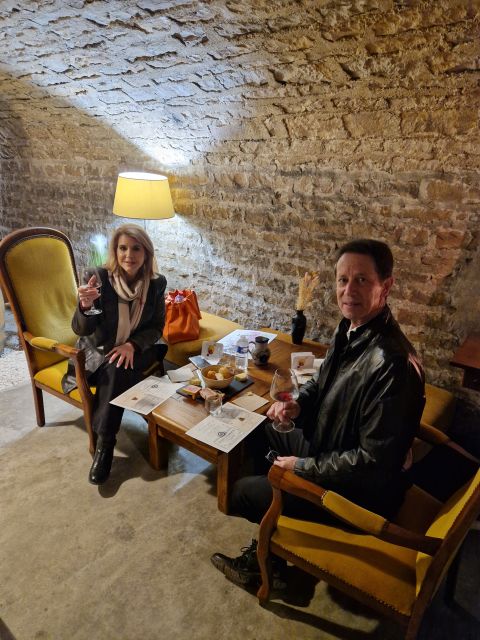
- You learn how to taste properly: The class begins with a clear method for looking at, smelling, and tasting wine.
- Burgundy labels become easier to read: You cover regional areas, production rules, grape varieties, and classification.
- Matthieu brings local knowledge and humor: He is frequently named as the main sommelier, while Patrice is also praised as a strong instructor.
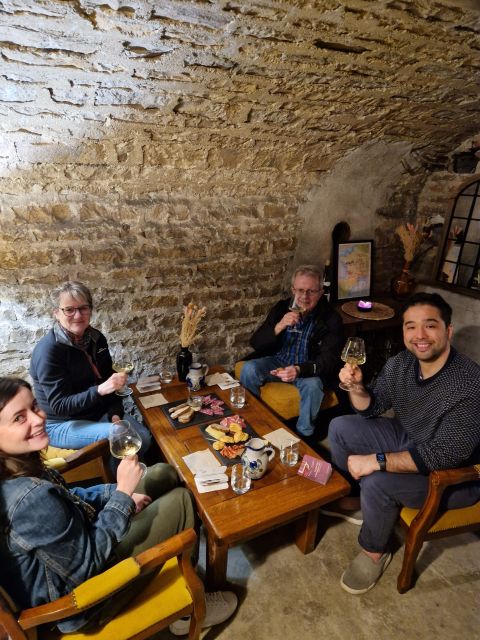
- Food is part of the lesson: Cheese and charcuterie are served with the wines, helping you test pairings as you go.
- The class suits beginners and wine fans: The teaching starts at a basic level but can still interest people who have attended tastings elsewhere.
- It is central and compact: You meet at The Wine Compass in Dijon and finish at the same place after two hours.
Why this Dijon wine class is useful
Burgundy is one of France’s most admired wine regions, yet its wines can be hard to understand at first. A label may highlight a village, a vineyard, or a broader regional name, and the price can change sharply from one level to another. Grape names are not always printed in large letters, either.
That is why a structured lesson helps. Instead of trying random bottles and hoping you spot the difference, you learn the system behind them. The class covers Burgundy’s main areas, grape types, production rules, and label terms. You also learn how the region’s wines are made and how to compare them in the glass.
I find this especially useful if you are visiting Dijon for only a short time. You may not have time for a full day among the vineyards, but you can still gain enough context to make a later tasting, restaurant meal, or wine-shop visit more rewarding.
The teaching is aimed at real people, not wine exam candidates. The sommelier has ten years of experience leading tastings for amateurs and professionals and reached the highest level of the wine school in London last year. That background matters because the class needs to serve people who have never tasted wine formally as well as those who already know the basics.
More wine tours in Dijon:
- Dijon: La Cave du Palais Burgundy Wine Tasting Experience
★ 4.8 · 400 reviews - Small-Group Full-Day Tour of Côte de Nuits, Côte de Beaune Vineyards and Beaune Historical District
★ 5.0 · 364 reviews - Pinot Noir Masterclass – Wine tasting in Dijon
★ 5.0 · 147 reviews
Starting with the mechanics of tasting
The first part focuses on how to taste wine properly. You are guided through the basic steps rather than being asked to guess aromas or offer grand opinions right away.
You look at the wine, smell it, and taste it with more care. The point is not to perform like a professional. It is to notice useful details and build a repeatable habit you can use later.
One particularly practical part is learning how to recognize when a wine is not right. That is an easy skill to miss in casual tastings, where every glass is treated as something to admire. Here, you get a clearer sense of what to look for when a bottle has a fault.
This approach works well for beginners. One first-time taster described coming away with useful knowledge about both Burgundy wine and general tasting technique. You do not need a trained palate to take part, and you will not be expected to identify every scent correctly.
For more experienced wine drinkers, the value comes from sharpening your method. The class gives you a chance to compare wines under the guidance of someone who can explain why they differ, rather than simply telling you which bottle is best.
Making sense of Burgundy’s regions and grapes
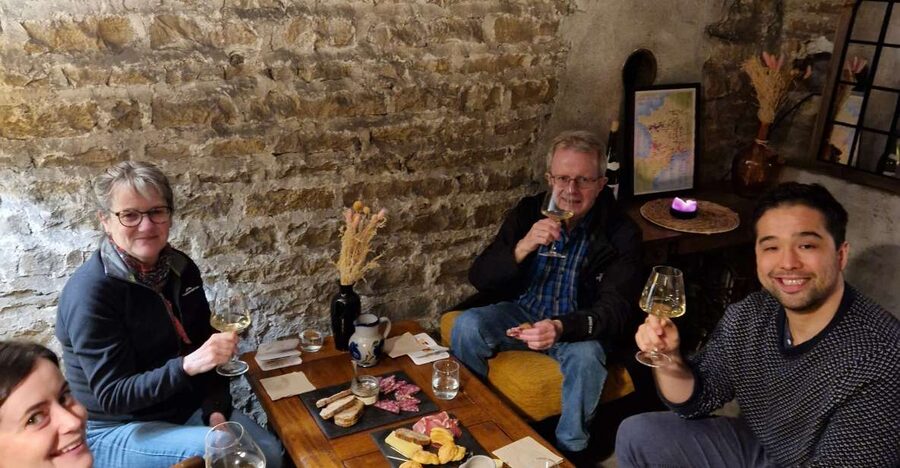
After the tasting basics, the class places each wine in the wider Burgundy picture. You learn about the different areas within Burgundy and the grape varieties associated with the region.
That regional view is important. Burgundy is not one single wine style. Differences in place, vineyard status, soil, producer, vintage, and production choices can affect what reaches your glass. The class explains the rules that shape those differences.
The lesson also gives you a better way to think about the region’s famous grape types. Instead of treating grape variety as the whole story, you see how the same broad variety can produce a different result depending on its origin and classification.
You should not expect a detailed stop at every village or vineyard. Two hours cannot cover the entire region in depth. What you get is a working framework, enough to understand why Burgundy labels and prices can vary so much.
I like that this turns abstract geography into something you can taste. The wines are not presented as isolated samples. They are used to show how location, tradition, and production rules shape the final drink.
Learning to read a Burgundy label
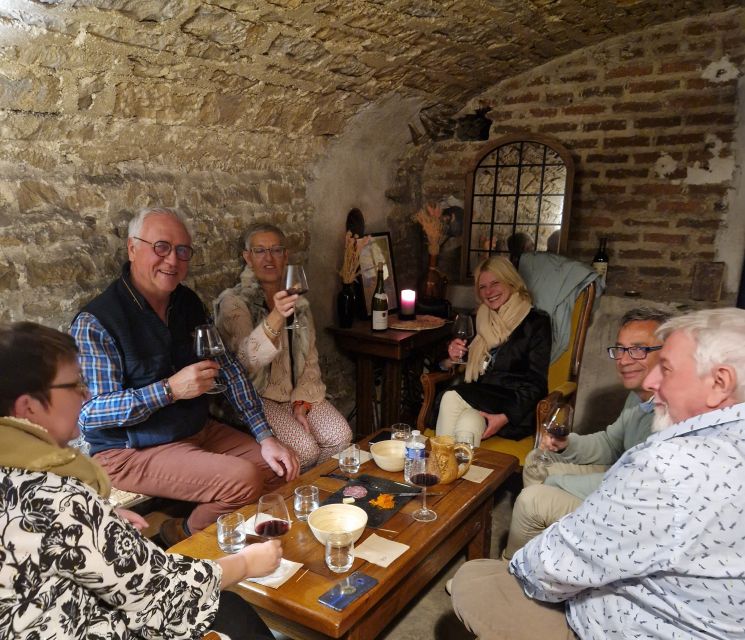
For many people, the label lesson may be the most useful part of the class. Burgundy labels can reward close attention, but they can also leave newcomers unsure about what they are buying.
You learn how to read the information on a Burgundy label and how the region’s rules organize wine names. This helps you tell the difference between a broad regional bottle and a wine carrying a more specific place name.
That knowledge can protect your wallet. Burgundy includes bottles at many price levels, and a familiar village or vineyard name can carry a major premium. Understanding the label gives you a better chance of deciding if the price suits what you want.
The lesson does not promise a magic formula for finding the perfect bottle. Wine remains personal, and a higher classification does not guarantee that you will prefer the taste. Still, knowing what the label is telling you is a strong starting point.
If you plan to buy wine in Dijon, this section alone can make the class worthwhile. You can ask better questions, understand recommendations more clearly, and avoid buying a bottle simply because the label looks impressive.
Same base, a different kind of day:
- Burgundy Wines Masterclass in Dijon
★ 5.0 · 139 reviews - Dijon: Cheese and Burgundy Wine Tasting Workshop
★ 4.8 · 122 reviews - Half Day Tour of the Cote de Nuits Vineyards from Dijon
★ 5.0 · 108 reviews - Chardonnay Masterclass – Wine tasting in Dijon
★ 5.0 · 91 reviews
Cheese, charcuterie, and the pairing lesson
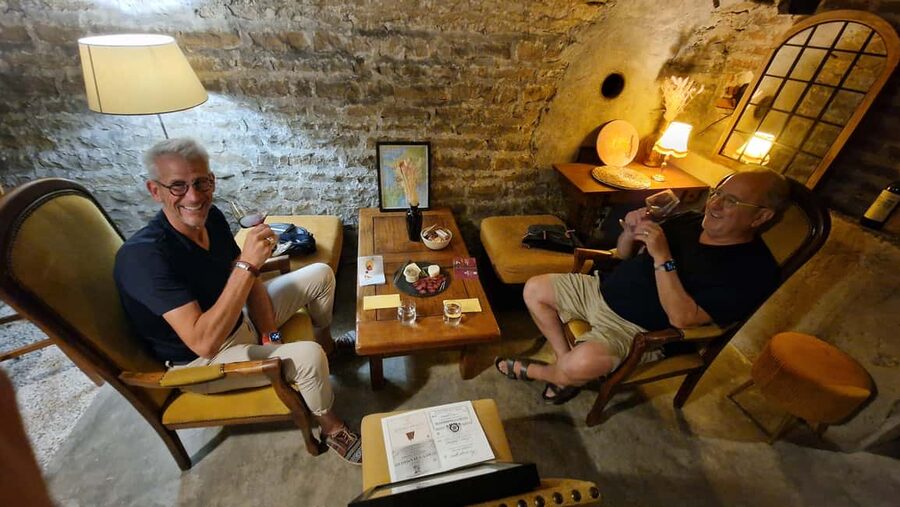
The tasting includes a board of cheese and charcuterie. This is not just a snack to fill the gap between glasses. It gives you a chance to test how food changes your perception of wine.
A wine that tastes sharp or restrained on its own may feel different with cheese. Charcuterie can also change the balance of salt, richness, fruit, and acidity. The class uses those contrasts to explain food and wine pairing in a way that is easier to remember than a list of rules.
The food also makes the class feel less formal. You can learn while sharing a board, and the setting supports the social side of a tasting. Several sessions are described as relaxed and friendly, with the group becoming more comfortable as the class goes on.
Do not expect a full meal. The included cheese and charcuterie are accompaniment for the tasting, not a substitute for lunch or dinner. If you arrive hungry, plan another meal before or after the session.
The pairing element is one of the strongest reasons to choose this class over a simple flight of wines. You learn not only what is in the glass, but also how to use Burgundy wine at the table.
The teaching style and the guides
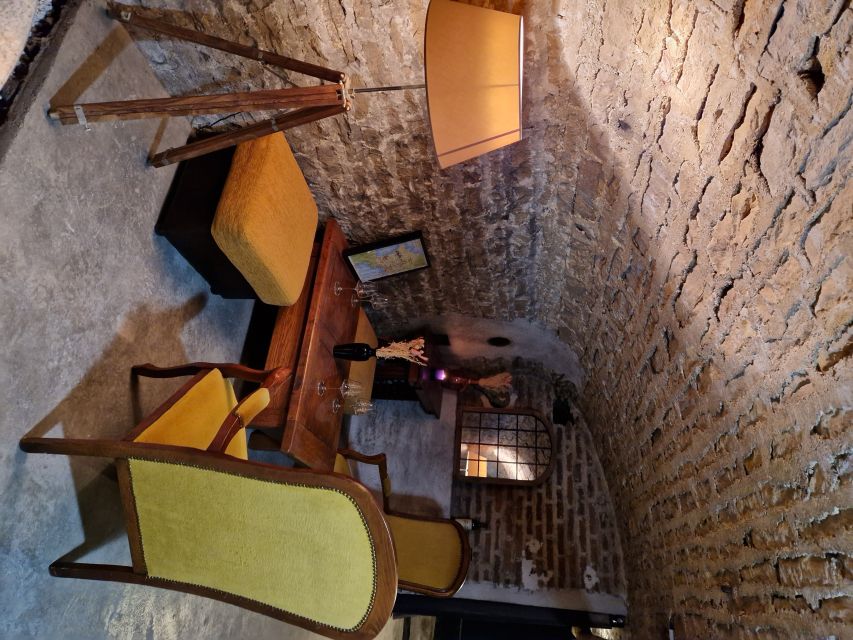
Matthieu is frequently named as the instructor, and the strongest pattern in the feedback is his mix of regional knowledge, humor, and easy conversation. That combination matters. Wine classes can become stiff when the instructor talks at the room, but this one is designed around questions, comparisons, and shared tasting.
He is also described as attentive to the whole group. That is useful in a class where some people may be complete beginners while others have already attended wine events in several countries.
Patrice is also praised in the supplied comments as a friendly and engaging instructor. Since the named guide may depend on the session, check the booking details if meeting a particular person matters to you.
The class can run longer than planned if the group is enjoying the discussion. One session included a sixth wine after five had been expected, because the group was having such a good time. Treat that as a pleasant possibility, not a guaranteed part of the program.
The tone appears to be warm rather than showy. You should come ready to ask simple questions. There is no benefit in pretending to understand wine terms that are new to you.
Five wines, and possibly a little more
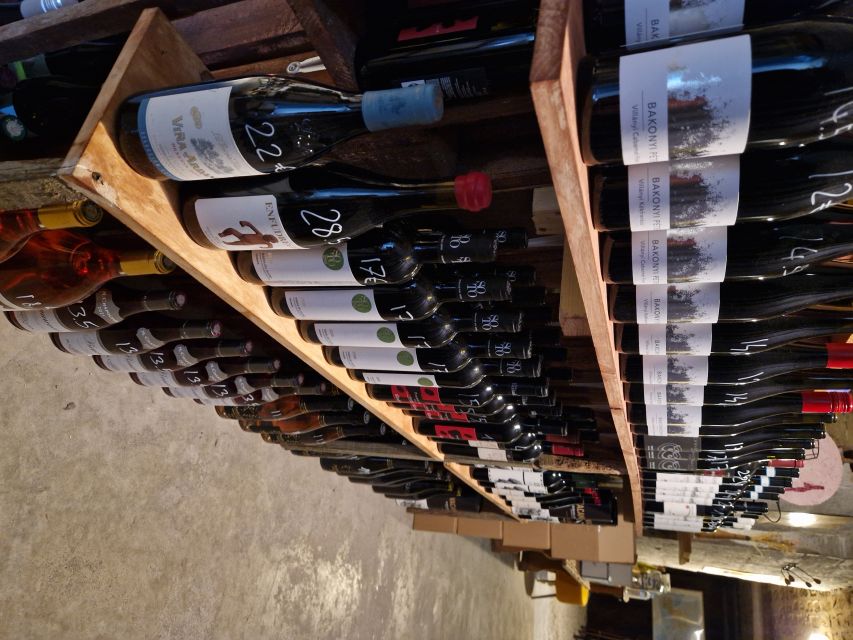
The usual structure appears to center on several Burgundy wines, with five wines expected and an occasional sixth added. The precise bottles are not specified, so you should not book this expecting a particular producer, vintage, or appellation.
That flexibility is sensible. A good sommelier may choose wines that suit the group, the season, or the teaching point. The important feature is comparison: you taste more than one wine and use the differences to understand Burgundy.
This also means the experience is better viewed as a lesson with wine than as a rare-bottle tasting. If your only goal is to drink the most prestigious Burgundy possible, a specialist cellar event may suit you better. If you want a clear introduction with useful instruction, this format makes more sense.
The wine selection has been praised as interesting and well matched to the food. Still, wine preferences are personal. You may enjoy every glass, or you may find that the class helps you identify styles you would rather avoid.
Location, timing, and practical details
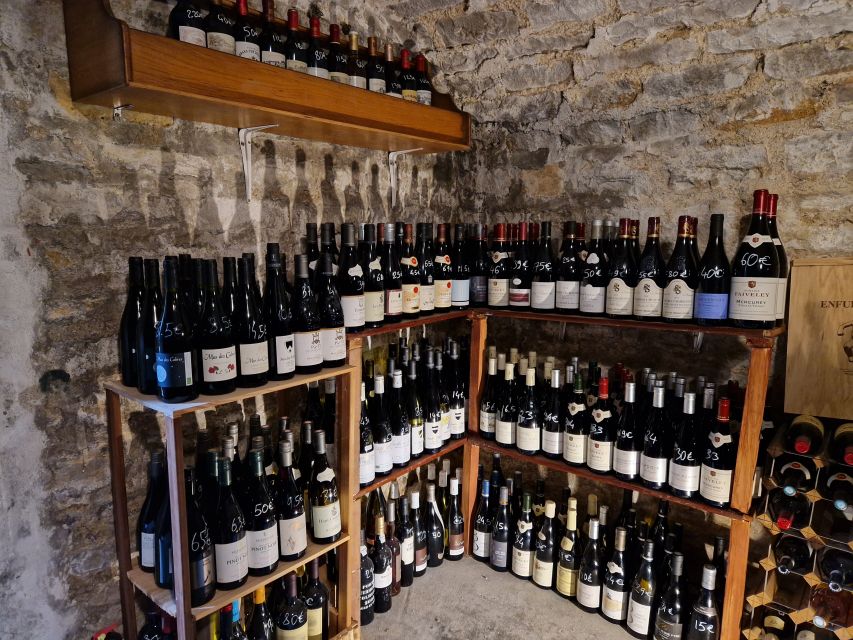
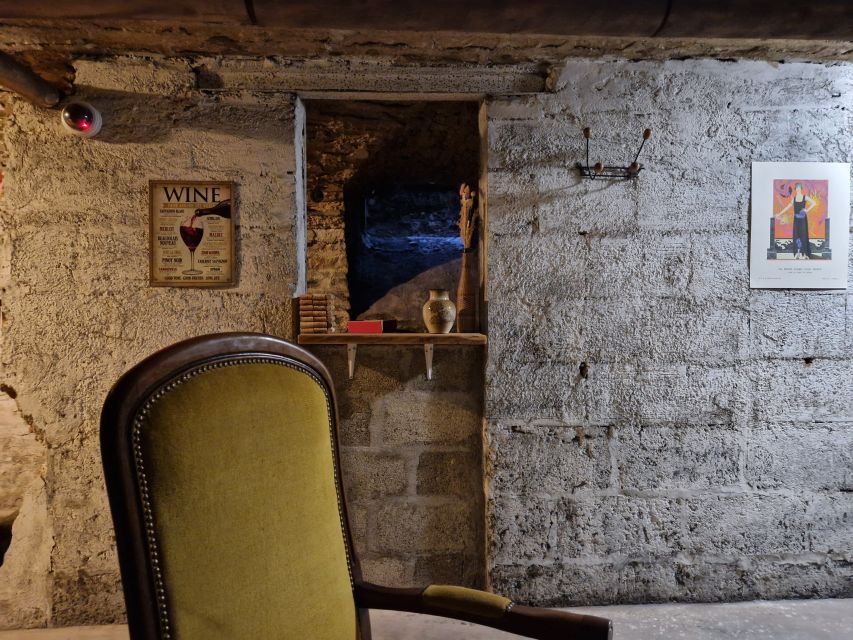
The experience takes place at The Wine Compass in Dijon, in the Bourgogne-Franche-Comté region. To find the meeting point, enter the courtyard and look for stairs descending on the left. A sign reading The Wine Compass marks the way.
The activity lasts two hours and ends back at the same meeting point. That makes it easy to fit into a day of sightseeing, though you should check the available starting times before planning other reservations.
There is no transport into the vineyards. The value is in the guided classroom-style tasting and the regional explanation, not in visiting a winery or walking through vines. If you want both education and countryside scenery, you would need to add a separate Burgundy excursion.
The class is offered in English and French. That makes it a practical choice for an international audience, but you should select the language that gives you the best chance of following technical terms and asking questions.
The price is $97 per person. That is not a casual glass of wine, but it covers a two-hour guided lesson, several tastings, and cheese and charcuterie. I see the strongest value for visitors who would otherwise spend money on bottles without understanding the labels or styles.
Who should book this experience
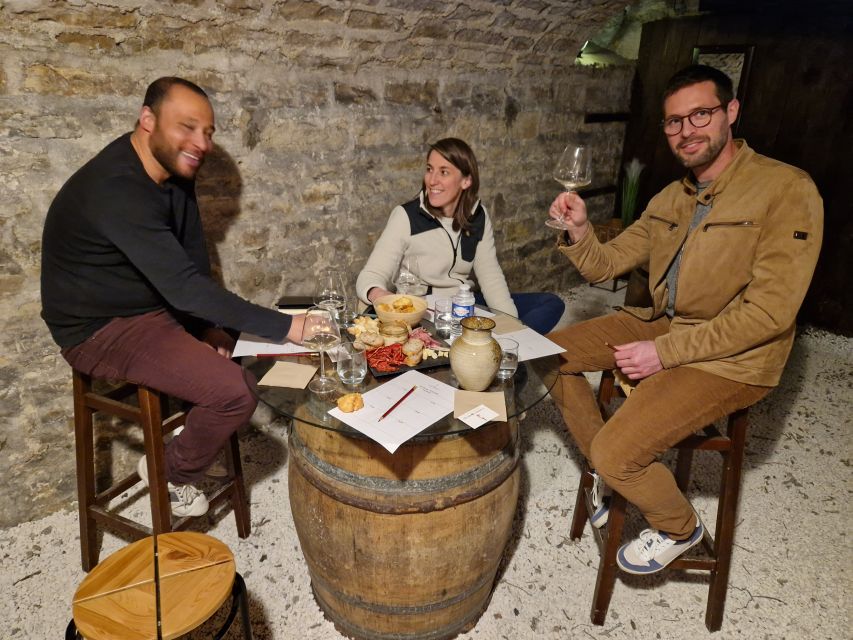
This class suits you if you are new to wine and want a friendly introduction without a full-day commitment. It also works for a couple or small group with mixed experience, since the instruction begins with basic tasting skills and moves toward more specific Burgundy topics.
It is a good fit for anyone planning to eat at local restaurants or buy wine during a Burgundy trip. The label and pairing lessons have practical use beyond the room.
Experienced wine drinkers may also enjoy it, especially if Burgundy is unfamiliar territory. The class has been rated as one of the strongest masterclasses by people who had already taken wine tours in Champagne, Burgundy, the Loire Valley, and Bordeaux.
It is less suitable if you want a vineyard visit, a full meal, or a long technical lecture on individual producers. You should also skip it if you are pregnant, under 18, or under 17, as the age information specifies that minors cannot take part. Pets are not allowed.
Book only if you want to taste wine. This is an alcohol-focused activity, not a general food tour.
Should you book the Burgundy Wines Masterclass?
I would book this if you have two hours in Dijon and want Burgundy to make more sense. The class gives you a tasting method, regional context, label guidance, and food-pairing practice in one compact session.
The best reason to go is the teaching. Matthieu’s warm style, the chance to ask questions, and the useful comparison between wines make this more than a row of glasses on a table. The cheese and charcuterie add real value because they show how the wines work with food.
I would choose something else if your priority is visiting vineyards or seeing wine production on site. This is an indoor masterclass, and its strength is explanation rather than scenery.
At $97, it is a fair choice for a focused Burgundy introduction, particularly if you are short on time. You can cancel for a full refund up to 24 hours before the start, and the reserve-now, pay-later option keeps your plans flexible. For an adult wine-curious visitor in Dijon, this is a smart way to get your bearings before ordering, shopping, or heading into the countryside.
FAQ
How long does the Burgundy Wines Masterclass last?
The class lasts two hours. Starting times vary, so check availability when booking.
Where does the experience begin?
Enter the courtyard at The Wine Compass. You will see stairs going down on the left with a sign saying The Wine Compass.
Where does the activity end?
The class ends back at the meeting point.
What is included in the price?
The experience includes the guided wine tasting, a cheese board, and charcuterie.
Which languages are available?
The masterclass is offered in English and French.
Is the class suitable for beginners?
Yes. It starts with the basics of tasting wine, then covers Burgundy regions, grape types, production rules, and label reading. It is also suitable for people with more wine-tasting experience.
Can children attend?
No. The activity is not suitable for children under 18 or for people under 17.
Can I cancel or pay later?
You can cancel up to 24 hours in advance for a full refund. You can also reserve your place and pay later, subject to the booking conditions shown when you reserve.
Just added in Dijon
- Chardonnay Masterclass – Wine tasting in Dijon★ 5.0 · 91 reviews
- Cheese and Wine Pairing 1-Hour Session in Dijon★ 5.0 · 34 reviews
- Half Day Tour of the Cote de Nuits Vineyards from Dijon★ 5.0 · 108 reviews
- Small group Burgundy tour of Beaune with Wine Tasting from Dijon★ 4.5 · 85 reviews
- From Dijon: Full day the most of Burgundy with lunch★ 5.0 · 40 reviews
- 🍷 Masterclass Pinot Noir – Wine tasting in Dijon 🇫🇷★ 4.5 · 35 reviews
- Historic Center of Dijon : Discovery Tasting Wine Burgundy★ 4.5 · 40 reviews
- Dijon: Cheese and Burgundy Wine Tasting Workshop★ 4.8 · 122 reviews
Wine Tours, compared.
Authentic Parisian Gourmet Food Tour with 10 Local Dishes & Wines
Read our review →
Loire Valley Castles Day Trip from Paris with Complementary Wine
Read our review →
River Garonne Cruise with Glass of Wine and Canelé
Read our review →
Montmartre Hill French Gourmet Food and Wine Tasting Walking Tour
Read our review →
Montmartre Cheese, Wine & Pastry Guided Walking Tour
Read our review →
Loire Valley Castles Day Trip With Wine Tasting
Read our review →
Afternoon Saint-Emilion Wine Tasting & snack
Read our review →Browse the lists this tour appears in